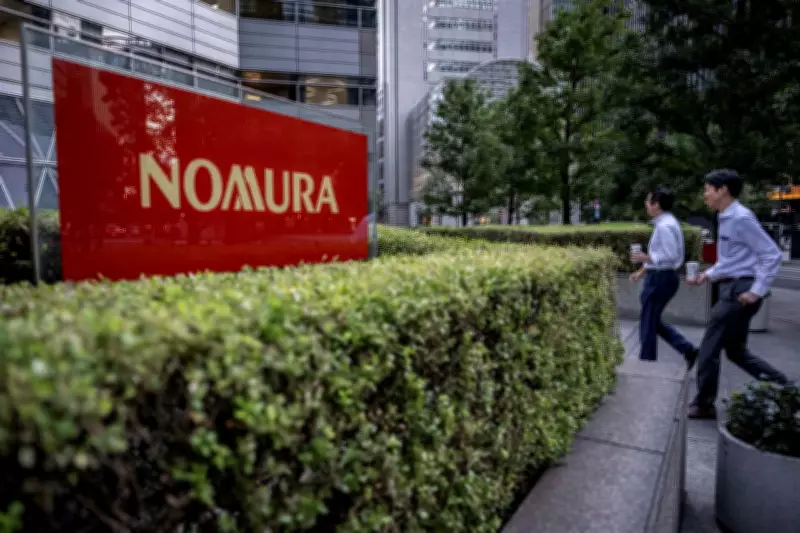
In a remarkable development for the financial sector, Nomura Holdings has reported that its dealmaking fees have surged to an unprecedented record high. This achievement is primarily attributed to a substantial increase in mergers and acquisitions (M&A) activity within Japan, reflecting a dynamic shift in the country's corporate environment.
Record-Breaking Performance in Dealmaking
Nomura, one of Japan's leading investment banks, has experienced a significant boost in its fee income from advisory services related to mergers and acquisitions. The surge in M&A deals across various industries in Japan has propelled the bank's financial performance to new heights, underscoring its pivotal role in facilitating corporate transactions.
Factors Driving the M&A Boom
The increase in M&A activity can be linked to several key factors. Firstly, Japanese companies are increasingly seeking strategic partnerships and acquisitions to enhance their competitiveness in global markets. Additionally, favourable economic conditions and regulatory changes have created a conducive environment for dealmaking, encouraging firms to pursue growth through consolidation.
Moreover, the rise in cross-border transactions has further contributed to the uptick in M&A volume. Japanese corporations are actively engaging in international deals to expand their reach and diversify their operations, with Nomura playing a crucial advisory role in these complex negotiations.
Implications for Nomura and the Broader Market
This record-high fee income positions Nomura as a dominant player in the investment banking landscape, potentially strengthening its market share and reputation. The bank's success in capitalising on the M&A surge highlights its expertise in corporate finance and its ability to navigate the intricacies of high-stakes transactions.
For the broader Japanese economy, the surge in M&A activity signals a period of corporate restructuring and innovation. It may lead to increased efficiency, job creation, and enhanced global competitiveness for Japanese firms, contributing to overall economic growth.
Future Outlook and Challenges
Looking ahead, Nomura is poised to maintain its momentum in dealmaking, provided the M&A trend continues. However, challenges such as geopolitical uncertainties, fluctuating market conditions, and regulatory hurdles could impact future transaction volumes. The bank will need to adapt its strategies to sustain its fee income and support clients in an evolving financial landscape.
In summary, Nomura's achievement in reaching record dealmaking fees underscores the vitality of Japan's M&A market and the bank's integral role within it. As corporate activity intensifies, this development marks a significant milestone for both Nomura and the Japanese financial sector.