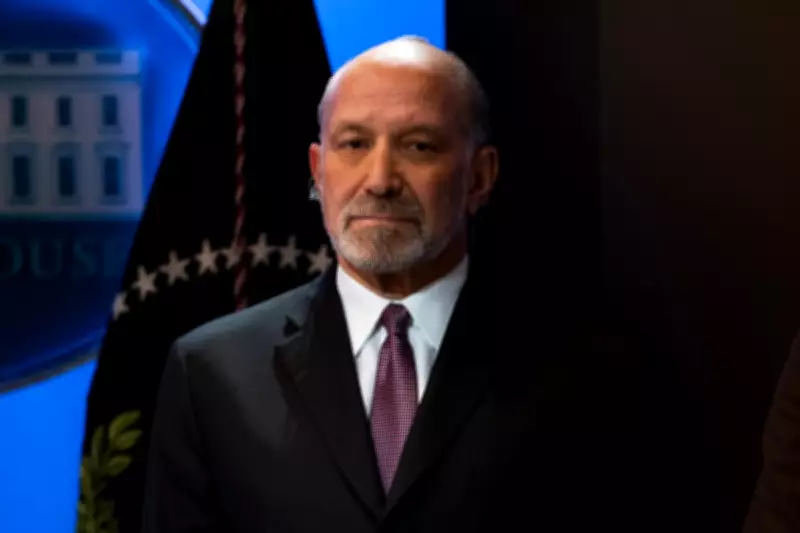
Lutnick Grilled by Congress on Epstein Connections in Dramatic Hearing
Howard Lutnick, the prominent CEO of Cantor Fitzgerald, appeared before a congressional committee on March 3, 2026, to address his long-standing associations with the convicted sex offender Jeffrey Epstein. The testimony, which lasted several hours, marked a pivotal moment in the ongoing investigations into Epstein's network, with lawmakers probing the depth of Lutnick's financial and personal links to the disgraced financier.
Financial Transactions Under Scrutiny
During the intense questioning, Lutnick was pressed on multiple financial transactions between his firm and Epstein. He acknowledged that Cantor Fitzgerald had engaged in business dealings with Epstein in the early 2000s, but he vehemently denied any knowledge of Epstein's criminal activities at the time. Lutnick stated, "Our interactions were strictly professional and centered on legitimate financial services. I was unaware of his heinous actions, and I condemn them unequivocally."
Lawmakers, however, expressed skepticism, highlighting records that showed substantial money transfers and investment collaborations. They questioned whether Lutnick had turned a blind eye to red flags, given Epstein's notorious reputation in certain circles. The committee emphasized the need for transparency in financial institutions to prevent exploitation by individuals like Epstein.
Personal Ties and Social Connections
Beyond financial matters, the hearing delved into Lutnick's personal relationship with Epstein. Lutnick admitted to socializing with Epstein at various events over the years but insisted that their acquaintance was superficial and based on mutual business interests. He described Epstein as a "charismatic figure" in financial circles but claimed he had no insight into Epstein's private life or illegal conduct.
Congress members challenged this narrative, citing evidence of frequent communications and meetings that suggested a closer bond. They argued that such connections could have facilitated Epstein's operations, raising ethical concerns about Lutnick's judgment and the broader culture of elite networks that enabled Epstein's crimes.
Implications for Corporate Accountability
The testimony has sparked a broader debate on corporate accountability and due diligence in the financial sector. Experts note that Lutnick's case underscores the risks of associating with high-profile clients without thorough background checks. In response, Lutnick announced that Cantor Fitzgerald has implemented stricter compliance protocols to vet clients and prevent future entanglements with questionable individuals.
This hearing is part of a larger congressional effort to unravel Epstein's web of influence, with lawmakers vowing to continue their investigations into other figures linked to him. The outcome could lead to regulatory reforms aimed at enhancing oversight in banking and investment industries.
Public and Political Reactions
Public reaction to Lutnick's testimony has been mixed, with some viewing him as a victim of circumstance and others criticizing his perceived lack of vigilance. Politically, the event has fueled calls for greater accountability among financial elites, with bipartisan support for measures to curb illicit networks. The hearing's findings are expected to influence upcoming legislation on financial transparency and corporate ethics.
As the investigation progresses, Lutnick's testimony serves as a critical juncture, highlighting the ongoing challenges in addressing the legacy of Epstein's crimes and ensuring that similar abuses are prevented in the future.