
A London High Court judge has delivered a landmark ruling, finding global mining giant BHP Group legally responsible for the catastrophic dam collapse in Brazil that occurred nearly a decade ago.
The Disaster and Its Immediate Aftermath
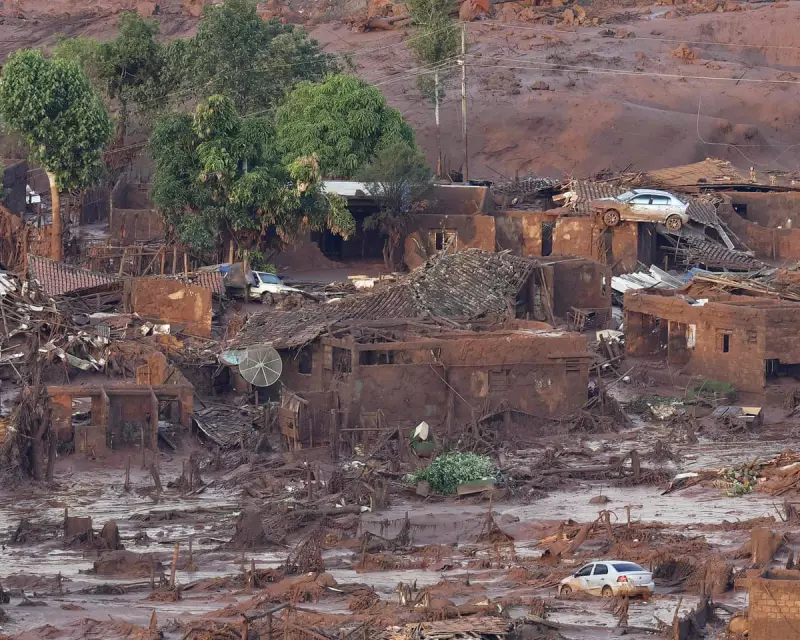
On 5 November 2015, a tailings dam at the Samarco iron ore mine in south-eastern Brazil ruptured. The failure unleashed an estimated 40 million cubic metres of toxic mining sludge. The wave of waste devastated the village of Bento Rodrigues in Minas Gerais state, destroying the once-bustling community and severely damaging other towns downstream.
The human cost was severe, with 19 people killed. The environmental impact was equally staggering. A study by the University of Ulster found the disaster killed 14 tonnes of freshwater fish and polluted approximately 370 miles (600 km) of the Doce River. The river, which is revered as a deity by the Krenak Indigenous people, has still not recovered.
The Legal Battle and Compensation
The case was brought before the High Court in London because one of BHP's main legal entities was based in the city at the time of the disaster. The trial began in October 2024, with Mrs Justice O’Farrell presiding.
Despite BHP's defence that the UK action was unnecessary due to parallel proceedings in Brazil, the judge ruled that the Anglo-Australian company is liable. BHP owned a 50% stake in Samarco, the operator of the mine, at the time of the collapse. The ruling specifically addresses liability, with a second trial phase to determine the scale of damages.
Approximately 600,000 Brazilians are seeking a colossal £36 billion ($47 billion) in compensation. This ruling comes just days after the Brazilian federal government reached a separate settlement with the mining companies involved. Under that agreement, Samarco—jointly owned by BHP and Brazilian firm Vale—agreed to pay 132 billion reais ($23 billion) over 20 years for human, environmental, and infrastructure damages.
A Lasting Legacy and Ongoing Reckoning
This legal decision marks a significant step in a long fight for justice. The 2015 event remains Brazil's worst environmental disaster, and its effects continue to be felt by communities and ecosystems a decade later.
The London ruling underscores the ability of victims to pursue multinational corporations in their operational hubs, setting a potent precedent for corporate accountability across global supply chains and extractive industries.




