
Mining Giant Held Accountable for Historic Environmental Catastrophe
In a landmark judgment that concludes years of legal battles, the High Court has found mining corporation BHP legally responsible for what stands as Brazil's most severe environmental disaster. The ruling, delivered by Mrs Justice O'Farrell, represents a significant victory for the hundreds of thousands affected by the catastrophic dam failure nearly a decade ago.
The Fundao Dam Collapse: A Tragedy Unfolds
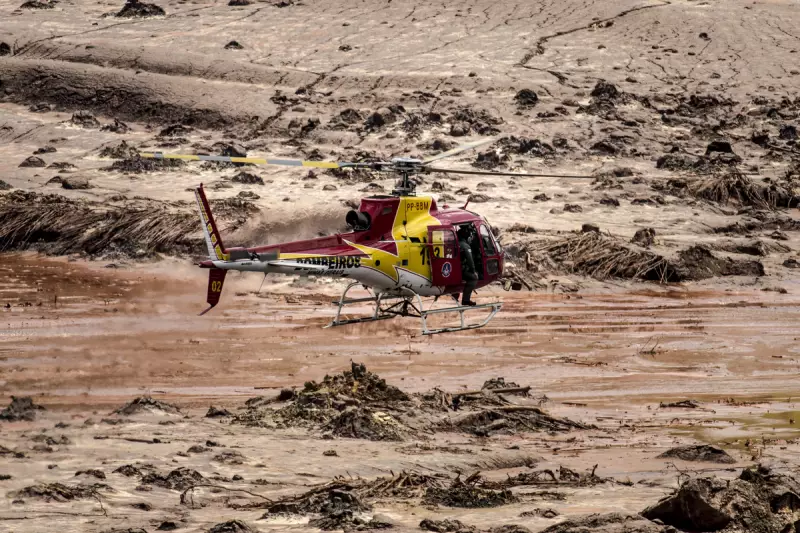
On 5 November 2015, the Fundao dam in southeastern Brazil suffered a catastrophic failure, unleashing an enormous wave of thick, toxic red mud that completely destroyed the village of Bento Rodrigues. The disaster claimed 19 lives and caused irreversible environmental damage across the region.
The dam was operated by Samarco, a joint venture equally owned by BHP and its mining counterpart Vale. This corporate structure became central to the legal proceedings, as claimants argued both companies shared responsibility for the tragedy.
Legal Battle Reaches Critical Conclusion
Law firm Pogust Goodhead initiated a group lawsuit in England on behalf of more than 700,000 people impacted by the disaster. The case has navigated a complex legal journey through British courts since its filing.
In her comprehensive 222-page judgment, Mrs Justice O'Farrell established BHP's liability on two distinct legal grounds under Brazilian law. The court determined that BHP bears strict liability as polluters under environmental legislation for damages resulting from the collapse.
Additionally, the ruling found BHP liable based on fault through negligence, imprudence, or lack of skill under Brazil's civil code. The judgment noted that the risk of collapse of the dam was foreseeable, highlighting BHP's extensive control over Samarco operations and its assumption of responsibility for dam-related risk assessment.
The court clarified that BHP, together with Vale, was directly and/or indirectly responsible for the mining and iron ore tailings storage activity that caused the dam failure.
Legal Wrangling and Claimant Numbers
The case has experienced numerous legal twists since its inception. In 2020, the High Court initially struck out the group action as an abuse of process, citing the massive scale of the claim. However, the Court of Appeal overturned this decision in 2022, ruling that findings of abuse were unsustainable.
BHP's subsequent attempt to appeal to the Supreme Court was denied last year, allowing the mammoth case to proceed to trial last October.
The recent judgment also addressed the scale of the claimant group, noting that while the case originally involved over 700,000 people, more than 200,000 claimants had already accepted compensation, adjusting the scope of ongoing proceedings.
In a significant procedural victory for claimants, the judge ruled that all claims were not time-barred and that claimants had the legal standing to bring proceedings in England.
Law Firm Turmoil Amid Historic Ruling
While Justice O'Farrell prepared her ruling, Pogust Goodhead faced internal challenges that captured media attention. The firm reported substantial financial losses and underwent leadership changes, including the departure of founder Tom Goodhead as CEO.
Company accounts revealed the group suffered a £91 million loss in 2023, with net current liabilities skyrocketing from over £2.5 million in 2022 to more than £93.1 million in 2023. The firm's debt also increased dramatically from £11 million to over £97.5 million during the same period.
Despite these financial pressures, the firm's spokesperson maintained that the filed accounts didn't represent the full financial position of the PG UK Group, asserting the organization's continued commercial viability.
This landmark ruling establishes crucial legal precedents for multinational corporate accountability and environmental protection, potentially influencing future cases against global corporations operating across international borders.




