
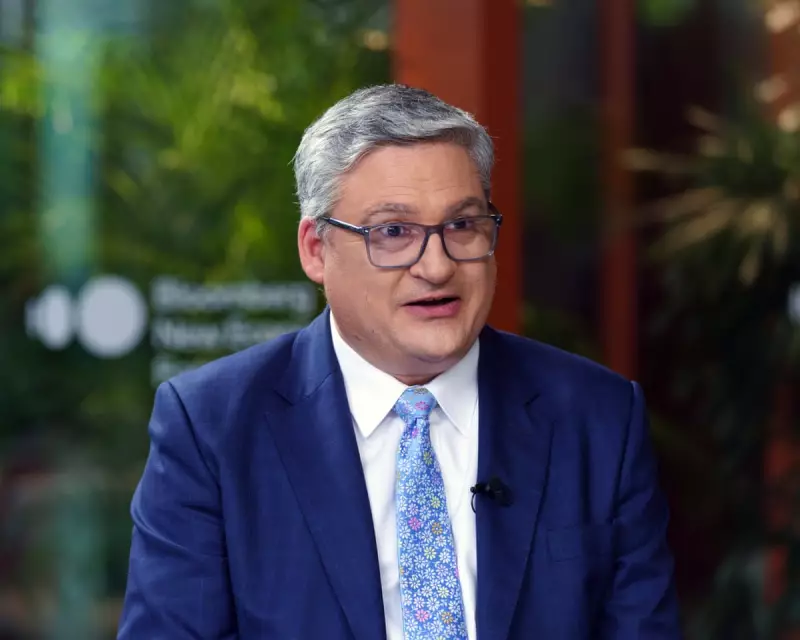
Australia's sovereign wealth fund, the Future Fund, is under fire for authorising a substantial £20,000 expenditure to send a former executive assistant on a business-class trip to the United States. The purpose of the journey was to inspect and evaluate potential hotels for the fund's chief executive.
Details of the Controversial Expenditure
The spending came to light through a freedom of information request, revealing that the fund approved the costly trip in late 2024. The individual who travelled was not a senior executive but the former executive assistant to the Future Fund's CEO, Raphael Arndt. The assistant had reportedly left the fund's employment by the time of the trip but was engaged as a contractor to undertake the reconnaissance mission.
The total cost of the journey amounted to approximately AU$38,000, which converts to roughly £20,000. This sum covered business-class airfares and accommodation. The itinerary included stops in New York and Los Angeles, where the contractor visited and assessed several high-end hotels. The Future Fund's management stated the trip was necessary to identify suitable accommodation for the CEO during future business travel, aiming to secure corporate rates and ensure appropriate standards.
Questions Over Governance and Judgement
The revelation has prompted serious questions about governance and the prudent use of public capital. The Future Fund manages over AU$250 billion in assets for the benefit of future generations of Australians, making its stewardship and expense policies a matter of significant public interest. Critics argue that spending such a sum on a hotel scouting trip, particularly for a former staff member travelling in business class, demonstrates poor judgement.
Defending the decision, a spokesperson for the Future Fund emphasised that the contractor possessed specific knowledge of the CEO's requirements and travel patterns. They argued that securing favourable long-term rates at quality hotels would lead to future savings, justifying the upfront cost. However, this explanation has done little to quell the controversy.
Transparency advocates and political commentators have labelled the expense as an example of elite entitlement and a failure of fiduciary duty. They contend that such a task could have been accomplished through less extravagant means, such as using local agents or conducting virtual tours, especially in the post-pandemic era where digital solutions are commonplace.
Broader Implications and Scrutiny
The incident has cast a spotlight on the travel and expense policies within major public financial institutions. It raises a broader debate about whether the managers of public funds should be permitted luxury travel expenditures that would be scrutinised heavily in other government departments.
This is not the first time the Future Fund's operations have been questioned, but the specific nature of this expense—a business-class trip for a former assistant—has captured public attention for its perceived excess. The fund is now likely to face increased pressure to review and publicly justify its internal policies regarding contractor engagements and executive travel arrangements.
The story underscores the ongoing tension between the operational independence of sovereign wealth funds and the public's expectation for transparency and austerity in the management of national assets. As the fund continues its mission to grow Australia's future wealth, its administrative decisions, no matter how small in the context of its vast portfolio, will remain subject to intense scrutiny.




