
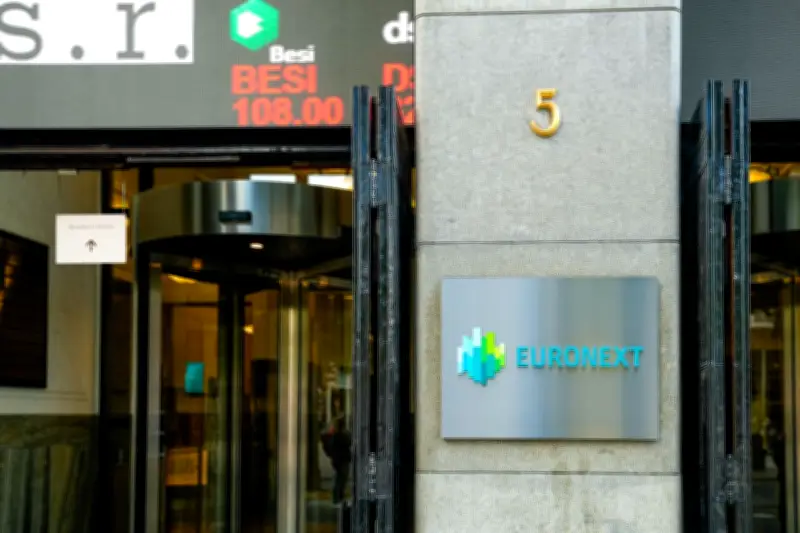
Euronext, the pan-European exchange operator, reported double-digit revenue growth in the third quarter, fueled by a boom in data services and equities trading. The company posted an 11% increase in revenue to €385 million, surpassing analyst expectations.
Data Services and Equities Drive Performance
Revenue from data services rose 14% to €156 million, benefiting from increased demand for market data and analytics. Equities trading revenue climbed 12% to €118 million, as higher volatility and trading volumes boosted activity. The strong performance underscores Euronext's strategy to diversify revenue streams beyond traditional trading fees.
CEO Stéphane Boujnah highlighted the company's resilience: "Our diversified business model continues to deliver robust growth, particularly in data and post-trade services." He noted that Euronext is well-positioned to capitalize on market trends, including the shift toward passive investing and the growing need for data-driven insights.
Cost Discipline and Synergies
Euronext also benefited from cost synergies following its acquisition of Borsa Italiana in 2021. Operating expenses rose only 2% to €175 million, reflecting tight cost control. Adjusted earnings before interest, taxes, depreciation, and amortization (EBITDA) increased 15% to €210 million, with margins expanding to 54.5% from 52.9% a year earlier.
The company confirmed its full-year guidance, targeting mid-single-digit revenue growth and continued margin improvement. Boujnah added: "We remain focused on executing our strategy and delivering value for shareholders."
Market Outlook and Challenges
Despite the positive results, Euronext faces headwinds from regulatory changes and competition. The European Union's push for consolidated tape and increased transparency could pressure pricing. However, Boujnah expressed confidence in Euronext's ability to adapt, citing its scale and technological investments.
Shares in Euronext rose 2.3% in early trading following the earnings release, outperforming the broader market. Analysts at Citi described the results as "solid," noting that the data business remains a key growth engine.




