Diageo, the global drinks conglomerate, has seen its once-soaring share price plummet to levels not witnessed since 2012, with a recent 13% drop adding to investor woes. This decline follows a drastic decision by CEO Sir Dave Lewis to slash the dividend by half, a move that aligns with market fears but fails to fully explain the sharp sell-off.
Vague Strategy Sparks Concern
The primary driver behind the share price fall appears to be Lewis's lack of concrete details regarding his turnaround plan for the struggling spirits group. After just seven weeks in the role, he offered high-level thoughts but withheld specific financial targets, leaving shareholders in the dark about the path to recovery.
Lewis acknowledged that Diageo's brand portfolio is heavily skewed toward premium products, such as Don Julio and Casamigos tequilas, which occupy the top 25-30% price bracket in key markets like Latin America. While this premiumisation strategy thrived under previous leaders like Sir Ivan Menezes and Paul Walsh during times of rising consumer incomes, it now faces challenges in today's harsher economic climate.
Price Adjustments and Market Realities
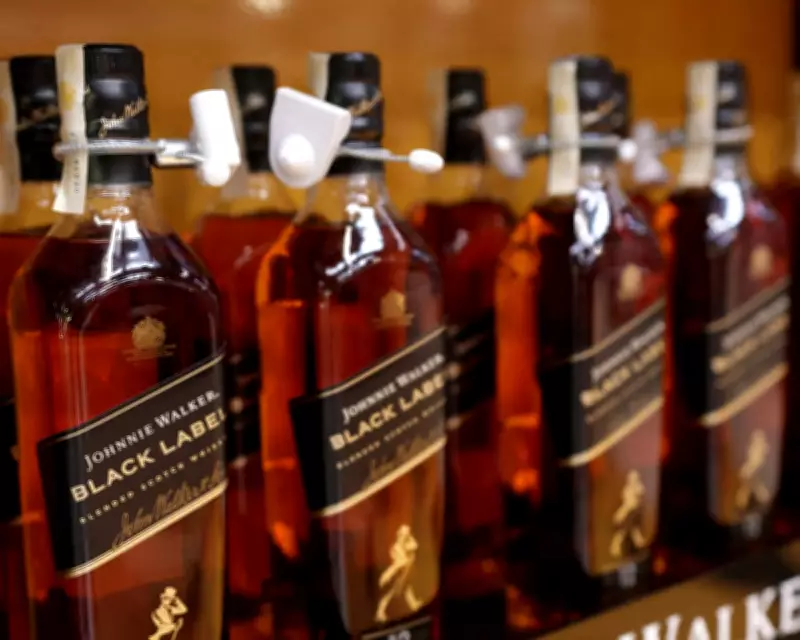
The critical question remains unanswered: how many price cuts will Diageo need to implement across its mid-tier and mass-market brands to stay competitive? The company has a history of adept price management, exemplified by the Johnnie Walker whisky range, which skillfully balances price and volume tradeoffs. With a diverse portfolio including Smirnoff vodka and Captain Morgan rum, Diageo possesses the tools for such adjustments, but Lewis has yet to outline a clear financial strategy.
Investors are left waiting until late summer for a fully developed plan, a delay that exacerbates uncertainty. While many accept that the old dividend was unsustainable and that reinvestment is necessary, concerns linger over potential profit margin erosion as Diageo strives to regain its competitive edge.
Operational Challenges and Historical Context
Lewis hinted at cost-cutting and efficiency improvements, but provided no specifics on the potential savings, instead discussing broad concepts like resetting the operational framework and enhancing Guinness availability. Guinness, notably, remains a bright spot, largely unaffected by the group's broader spirits struggles.
In hindsight, Diageo might have benefited from initiating a self-help program two years earlier. The company seemed to suffer corporate shock following the sudden death of former CEO Sir Ivan Menezes in June 2023. His successor, Debra Crew, faced early challenges, including a heavy profits warning and difficulties managing post-Covid hangovers, leading to her departure after new chair Sir John Manzoni took over.
Financial Outlook and Long-Term Prospects
Despite the weak trading numbers, the situation is not catastrophic. Annual revenues are projected to be flat or slightly up, and full-year cash flow guidance remains steady at $3 billion, a crucial point given Diageo's net debt of $21.7 billion. However, the impression persists that the turnaround could be a prolonged endeavor.
Compared to Lewis's previous success at Tesco, where he inherited a market leader despite an accounting scandal, Diageo presents a more complex and global challenge. While Lewis expresses confidence in a significant opportunity ahead, the delay in action suggests that success may take longer than optimists had hoped. Shareholders, while likely betting on his eventual success, are left navigating a fog of uncertainty until more details emerge.