
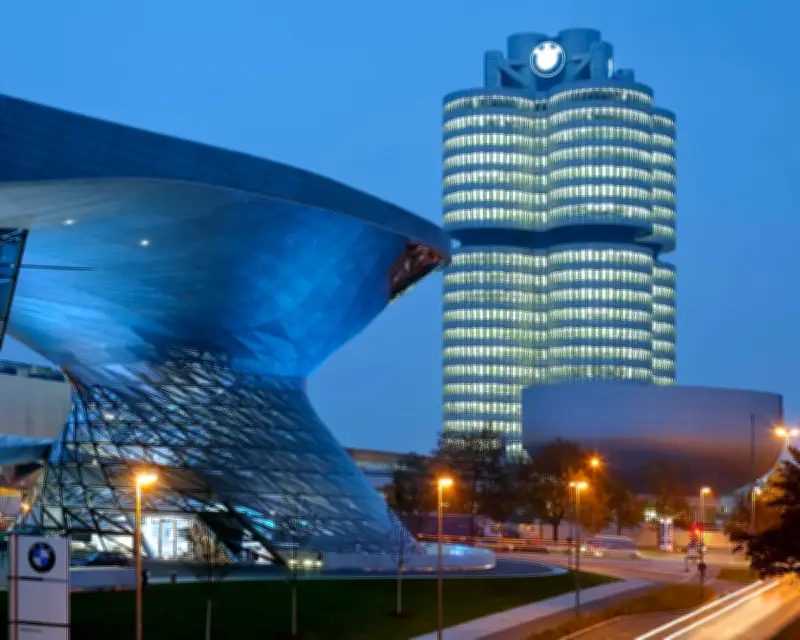
BMW has announced plans to cut thousands of jobs in Germany, citing mounting pressure from Chinese competitors in the electric vehicle (EV) sector. The decision underscores the challenges facing traditional European automakers as they struggle to keep pace with lower-cost Chinese EV manufacturers.
Job reduction details
The Munich-based company said it aims to reduce its workforce by around 5,000 positions, primarily in administrative and development roles. The cuts are expected to be implemented through voluntary redundancies and early retirement schemes, with a target completion by the end of 2027. BMW employs approximately 150,000 people globally, with a significant portion based in Germany.
According to a company spokesperson, the restructuring is necessary to remain competitive in a rapidly changing market. “We are adapting our structures to meet the challenges of the transformation towards electromobility and the increasing competition from Asia,” the spokesperson said.
Chinese competition intensifies
Chinese automakers such as BYD and NIO have been aggressively expanding their presence in Europe, offering EVs at lower price points than many traditional brands. In 2025, Chinese brands accounted for 12% of EV sales in Europe, up from 8% the previous year. This has put pressure on BMW and other European manufacturers to reduce costs and accelerate their own EV transitions.
Industry analysts note that BMW’s profit margins have been squeezed by the need to invest heavily in new EV platforms while also dealing with rising raw material costs. The job cuts are part of a broader cost-saving initiative that includes streamlining production processes and reducing supplier expenses.
Impact on German automotive sector
The job losses are a blow to Germany’s automotive industry, which employs over 800,000 people and is a cornerstone of the country’s economy. The IG Metall union expressed concern about the cuts, calling for measures to protect workers. “We will negotiate to ensure that the burden is not placed on employees’ shoulders,” said a union representative.
BMW’s announcement follows similar moves by other German automakers. Volkswagen recently announced plans to cut 3,000 jobs in its software division, while Mercedes-Benz has been reducing its workforce through attrition. The trend highlights the structural shift underway in the global automotive industry as it transitions to electric and software-defined vehicles.
Despite the cuts, BMW reaffirmed its commitment to maintaining production in Germany. The company said it would continue to invest in its plants in Munich, Dingolfing, and Regensburg, focusing on EV production and battery assembly.




