
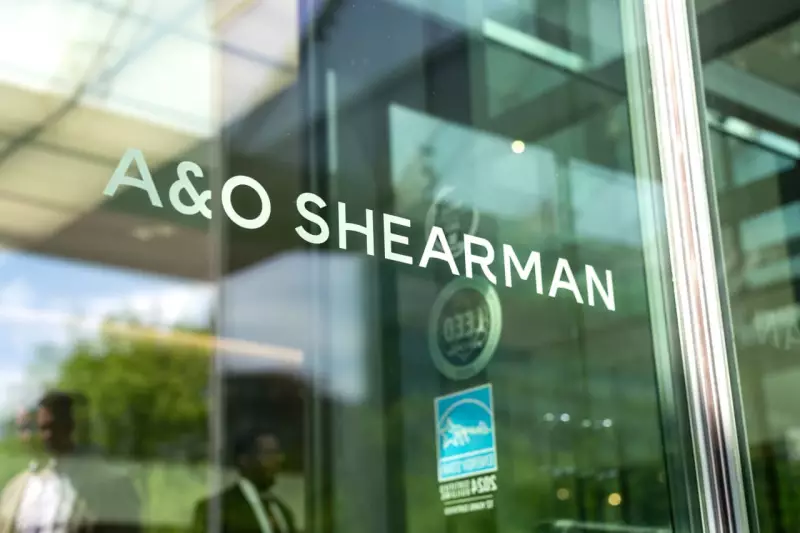
Senior leaders at the newly formed legal behemoth A&O Shearman received a substantial financial reward in the year following the landmark merger of Allen & Overy and Shearman & Sterling. The firm's latest accounts reveal that its highest-paid members of staff shared a collective payout of £43.3 million.
Post-Merger Financial Performance Unveiled
The figures, disclosed in filings with Companies House, cover the financial period from 1 May 2023 to 30 April 2024. This timeframe captures the crucial first months after the merger was officially completed on 1 May 2023. The accounts show that the profit available for distribution among the firm's members totalled £1.1 billion.
This profit was generated from a global revenue of £2.65 billion. The financial results represent a combined performance, as the newly merged entity began operating as a single financial unit from day one. The payout to the top personnel underscores the initial financial muscle of the combined firm.
Strategic Context and Leadership Vision
The creation of A&O Shearman was a seismic event in the global legal industry, uniting Allen & Overy's formidable UK and European presence with Shearman & Sterling's powerful US-focused practice. Senior partner Wim Dejonghe and senior partner-elect Hervé Ekué have consistently framed the merger as a strategic move to build a fully integrated, top-tier global firm.
This substantial allocation of profit to top staff is seen by many industry observers as a key mechanism to retain and motivate the highest-performing partners from both legacy firms during a complex integration phase. It signals the firm's commitment to rewarding its leadership as it pursues ambitious growth targets in a competitive market.
Implications for the Legal Landscape
The disclosed figures offer the first concrete financial snapshot of the merged entity's performance. A combined profit pool of over £1 billion immediately positions A&O Shearman among the world's most financially robust law firms.
The significant sum directed to the highest earners highlights the ongoing 'war for talent' in the legal sector, where top partners command increasingly large compensation packages. As the integration continues, the industry will watch closely to see if this financial firepower translates into sustained market share gains and competitive pressure on other elite UK and US firms.
The coming years will be critical in determining whether the bold merger achieves its goal of creating a uniquely positioned global legal practice capable of competing at the very highest level across all major markets.




