The UK's ambitious £725 billion infrastructure investment plan faces a critical bottleneck: a severe shortage of skilled construction labour. This crisis, driven by an ageing workforce, reduced migration, and multiple major projects, threatens to undermine national economic growth and modernisation efforts.
The Scale of the Challenge
Britain's construction sector is confronting a perfect storm. Over 250,000 additional workers will be needed within the next five years just to meet current demand. The situation is exacerbated by demographic shifts, with 30% of the workforce now over 50 and insufficient younger workers entering the industry. Brexit has further compounded the problem, with approximately 46,000 EU workers having left the UK construction sector.
Multiple major infrastructure programmes are set to overlap between 2024 and 2031, including:
- AMP8 (water) 2025-2030
- RIIO-3 (energy) 2026-2031
- RIS-3 (highways) 2025-2030
- CP7 (Network Rail) 2024-2029
This convergence will create intense competition for skilled electrical engineers, civil engineers, and specialised labourers across the nation.
Hercules: Positioning for Growth
Hercules PLC, a leading provider of skilled labour and training solutions, is strategically positioned to address this national challenge. The company has demonstrated strong financial performance, with revenue growing from £82 million in 2023 to £102 million - a 24% year-on-year increase. Management guidance suggests steady growth of 16% into 2025, projecting revenue of £118 million.
CEO Korkmaz states: "We hope potential investors identify Hercules as a solid long-term investment, operating in the UK infrastructure sector where large-scale projects will drive demand for skilled operatives for decades to come."
The company's business model focuses on labour supply and recruitment services, which constitute 85% of revenue, while civil projects and contracting make up the remaining 15%. Management is steering toward an asset-light, technology-enhanced model that allows for national scaling with relatively low incremental capital.
Training the Next Generation
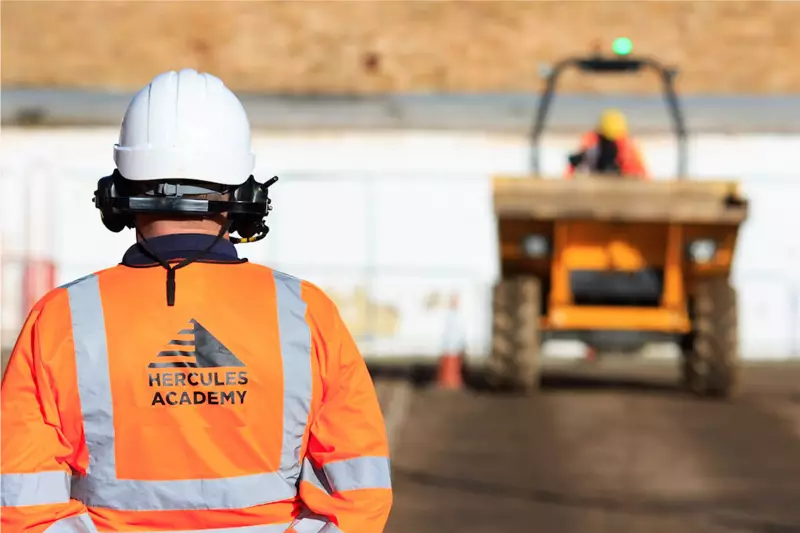
The Hercules Academy represents a cornerstone of the company's strategy to address the skills shortage. Since launching in February 2024, the academy has already trained its 2,000th person, with many graduates deployed directly into the industry.
The academy focuses on upskilling workers in critical areas including civil engineering, highways, rail, and utilities. In an innovative approach to workforce development, Hercules has expanded its training initiatives into the prison system, successfully completing its first cohort at HMP Holme House in Stockton-on-Tees.
Participants undertook New Roads and Street Works courses, equipping them with valuable qualifications. The broader Hercules group will endeavour to place these individuals on local highways projects, offering sustainable employment opportunities.
"At Hercules, we are investing directly in people through our Academy – ensuring the workforce of tomorrow is ready today," adds CEO Korkmaz.
With the UK committing to decades of infrastructure renewal, Hercules stands at the intersection of national necessity and commercial opportunity. As the company refines its business model and deepens partnerships with Tier One contractors, it emerges as a key player in solving Britain's skilled labour crisis while positioning for substantial growth.