Greenwich Peninsula Set to Welcome London's Largest Theatre
Plans to construct what will become London's largest theatre have received the green light from Greenwich Council, marking a significant milestone for the capital's cultural landscape. The approval was granted at a meeting of the council's Planning Board on January 20, paving the way for a new 3,000-seat venue on the east side of the Greenwich Peninsula.
A Major Cultural Addition to the Peninsula
The new theatre, proposed by Troubadour Theatres, will feature two separate auditoriums each with a capacity of 1,500 seats. This ambitious project will surpass the current largest theatre in London, the 2,359-seat London Coliseum in the West End, establishing a new benchmark for theatrical venues in the capital.
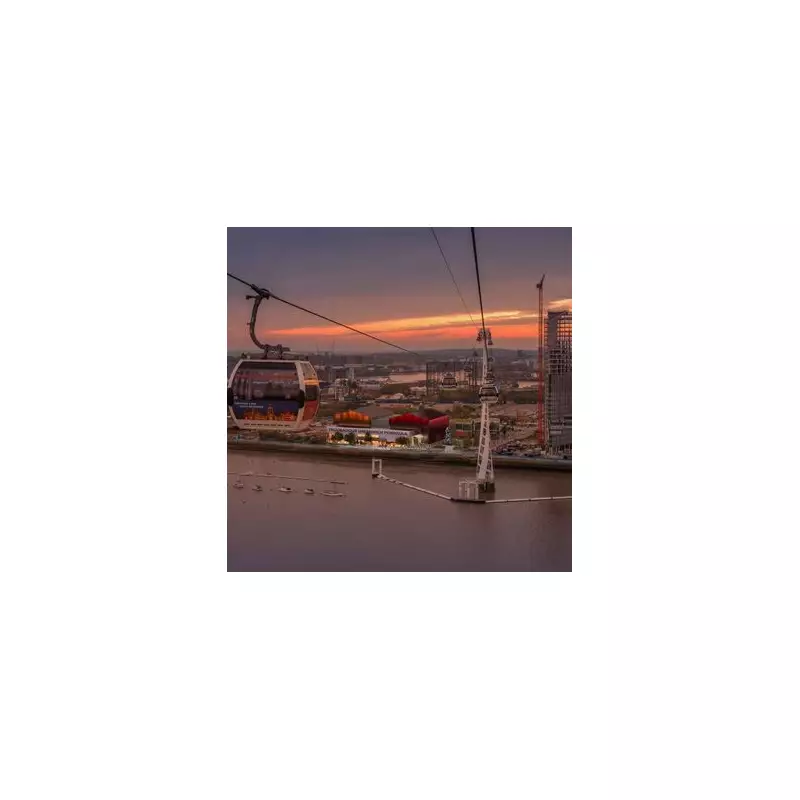
The development will be situated adjacent to the existing cable car station, creating a prominent cultural destination within the Greenwich Peninsula area. Troubadour Theatres, which already operates successful venues in Wembley Park and Canary Wharf, views this as a natural expansion of their commitment to large-scale live performance.
Community Benefits and Educational Opportunities
Local residents have welcomed the development, with Sylvia Williams of the Greenwich Millennium Village Residents Association speaking in support during the planning meeting. She emphasised the theatre's potential as a "welcome addition to the cultural life of the Greenwich Peninsula" and called for provisions allowing local schools to utilise the facility.
Troubadour's Chief Operating Officer Rowley Gregg responded positively to these suggestions, highlighting the company's existing Troubadour Trust which allocates 50p from every ticket sold to support local communities through workshops and educational ticket schemes. "It is a key desire of Troubadour to support Greenwich residents," Gregg confirmed during discussions.
Temporary Structure with Lasting Impact
Interestingly, the planning permission has been granted for a temporary period of ten years, after which the site is earmarked for residential development according to the Greenwich Peninsula Masterplan. This creates a unique opportunity for a substantial cultural facility to operate during the interim period before permanent housing is constructed.
Construction is expected to commence in June, with the build projected to take approximately nine months to complete. Once operational, the theatre will host major productions, following the successful model established at Troubadour's other London venues.
Council Support with Design Considerations
Council members generally expressed enthusiasm for the cultural benefits the theatre would bring. Councillor Tamasin Rhymes welcomed what she described as "our own National Theatre" and praised both the design and the anticipated cultural, employment, and training opportunities.
While Councillor David Gardner described the proposal as "excellent" in cultural terms, he did express some reservations about what he considered the "boxy" architectural design. Despite this minor criticism, the overall reception from council members was overwhelmingly positive.
Expanding London's Theatrical Landscape
Troubadour's joint founders and CEOs Oliver Royds and Tristan Baker expressed their excitement about the approval, stating: "Securing planning permission for the new Troubadour Greenwich Peninsula Theatre marks a major milestone for us, and an exciting new chapter in our commitment to bold, large-scale live performance."
The company's existing venues have already demonstrated success with productions like the world's first stage adaptation of The Hunger Games at Canary Wharf and Andrew Lloyd Webber's Starlight Express at Wembley. The Greenwich Peninsula venue represents a significant expansion of their theatrical portfolio and a substantial investment in London's cultural infrastructure.
This development promises to create versatile performance spaces capable of hosting landmark productions while delivering memorable experiences for audiences. The theatre's strategic location and substantial capacity position it to become a major cultural destination, enhancing both the local community and London's broader theatrical offerings.