The End of an Era for Sicily's Iconic Ferry Crossing?
Multiple times daily, a unique ritual unfolds in southern Italy as the Intercity rail service reaches Villa San Giovanni in Calabria. The train is carefully decoupled from its tracks and loaded onto a ferry for the 25-minute crossing to Sicily. This journey across the Strait of Messina has become more than just transport - it's a cherished community experience where passengers gather on deck, share freshly fried arancini, exchange stories and admire Mount Etna's majestic peak.
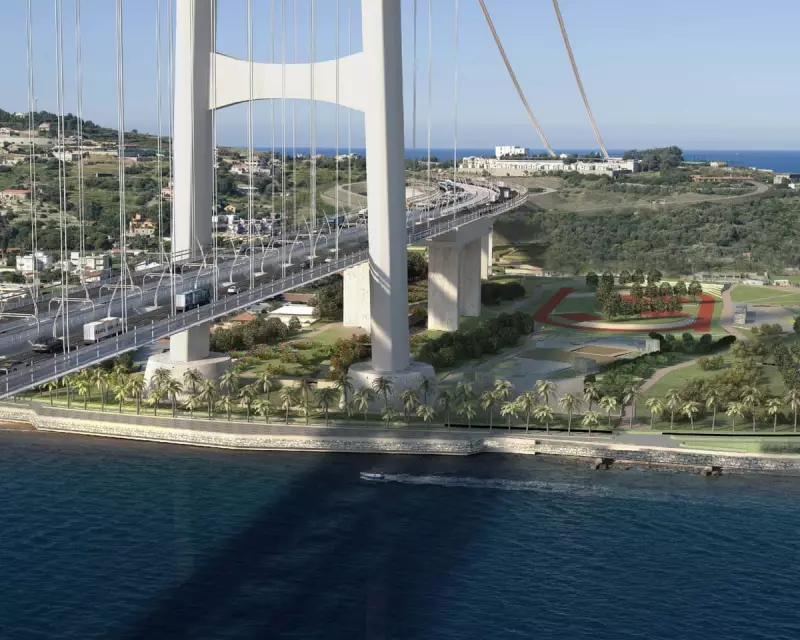
For locals, this crossing represents generations of tradition. Elio Vittorini captured this spirit in his 1941 novel Conversations in Sicily, describing fruit pickers feasting on local cheese while gazing at the ruins along both coasts. Now, this centuries-old tradition faces potential extinction as the Italian government revives plans for what would become the world's longest single-span bridge.
A Project Shrouded in Decades of Controversy
In August, the Italian government confirmed it would invest €13.5 billion and commission the Webuild Group to begin construction of the Messina Bridge. The project, which dates back to Roman times with modern planning beginning in the late 1960s, has always been promoted as crucial for tackling regional inequalities between Italy's industrial north and agricultural south.
Yet despite repeated announcements and political enthusiasm, the bridge has never materialised. Seismic concerns, environmental issues and mafia infiltration risks have consistently derailed progress. Even the recent "final" approval proved premature when Italy's court of auditors blocked the project last month over financing legality concerns.
The debate reveals deep political divisions. Proponents argue the bridge would create 120,000 local jobs annually and boost economic growth. Opponents dismiss these claims as opportunistic, arguing the project represents short-sighted exploitation of Sicily's resources.
Messina's Reality Versus Political Rhetoric
Messina itself embodies Sicily's struggles. While rich in culture, the city suffers from severe social problems including financial mismanagement, organised crime prevalence and infrastructure fraud. The local health service is collapsing, schools face some of Italy's worst drop-out rates, and poverty remains widespread.
This context makes Transport Minister Matteo Salvini's recent description of the bridge as "the most important public work in the world" particularly jarring. Ironically, Salvini himself argued against the project in 2016, citing engineering feasibility concerns and noting that regular closures due to strong winds would render it useless. He previously maintained that limited funds would be better spent improving local services.
Climate change has intensified these concerns. Recent years have seen worsening wildfires and the province of Messina experienced its worst drought in decades during spring and summer 2024. Crops failed, livestock died and some areas went days without tap water as reservoirs emptied.
Local Opposition Grows Amid Practical Concerns
A recent survey indicates 70% of residents oppose the bridge project, with practical concerns dominating their objections. The construction would divert 15-20% of local water supplies in drought-stricken regions, create years of noise and pollution, destroy wildlife habitats, and force approximately 4,000 people from their homes due to demolition.
Despite the court's intervention, Salvini promises to address concerns and begin construction by February 2026. Many Sicilians hope he'll reconsider. As climate emergencies worsen and public services deteriorate, the bridge appears increasingly like an expensive steel panacea rather than a practical solution to the region's most pressing needs.
For now, Sicilians continue to embrace their spectacular ferry crossing - preferring conviviality and arancini to a controversial megaproject that may never materialise. The real need, locals argue, is for political investment in public services and leaders who can ensure government funds are properly spent addressing immediate crises rather than chasing decades-old dreams.