Planning Proposals Overlook Women's Safety, Sparking Outcry
Critics have raised alarm over draft planning proposals in England that fail to mention the safety of women and girls, warning this could embed risk and inequality into new developments. The proposals, published just before the government's strategy to tackle violence against women and girls (VAWG), ignore key recommendations from official reports, including those made after the tragic death of Sarah Everard.
Omission in National Planning Policy Framework
The draft National Planning Policy Framework (NPPF), which aims to boost housebuilding, contains no references whatsoever to women, girls, gendered safety, or violence against women in the built environment. Liberal Democrat MPs Anna Sabine and Gideon Amos highlighted this in a letter to housing minister Matthew Pennycook and safeguarding minister Jess Phillips, arguing that planning policy is a powerful structural tool to prevent harm before it occurs.
They wrote: "If the NPPF is silent on gendered safety, we embed risk and inequality into the fabric of every new development." This omission comes despite the VAWG strategy and part 2 of the Angiolini inquiry, both published in the same month, calling for women's safety to be integrated into public space planning.
Government Response and Criticism
A Ministry of Housing, Communities and Local Government spokesperson defended the separation, stating: "The NPPF is a planning document. It sets out guidelines for housebuilding and planning in England. The VAWG strategy is about protecting women and girls from violence and misogyny." They added it was unclear why anyone would expect the two to be combined, making it difficult to respond to criticism.
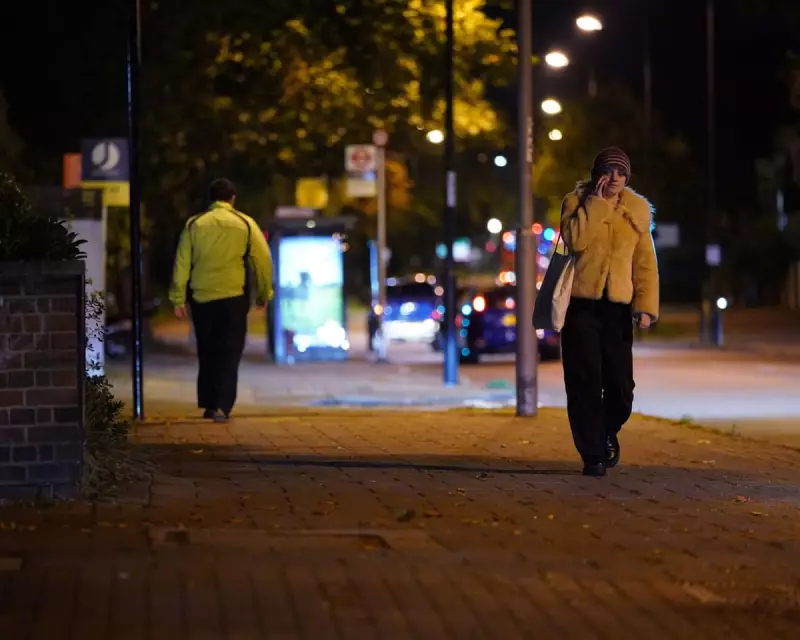
Sabine labelled this response incredibly arrogant, saying: "If you don't understand how women's safety ties in with how we design new spaces, you shouldn't be working at MHCLG." Susannah Walker, a gender planning consultant, noted the proposals disregard the VAWG strategy and Angiolini report, which emphasise that well-lit streets, accessible transport, and thoughtful urban design can deter violence and signal that public spaces belong to everyone.
Broader Implications and Calls for Action
Walker warned that without specific instructions in the NPPF, underfunded councils are likely to overlook women's safety, as it becomes non-mandatory. She described the omission as extraordinary, given the high-level government reports advocating for safer design. Phillips has long argued that all government departments must contribute to halving VAWG in a decade, underscoring the need for cross-departmental collaboration.
Sabine urged Phillips to push for changes, stating: "We have a world that's largely designed by and for men. But if you take into account women and girls' safety, you can make very practical decisions that will really benefit women and girls' lives." The debate highlights ongoing challenges in aligning planning policies with safety initiatives to create inclusive public environments.