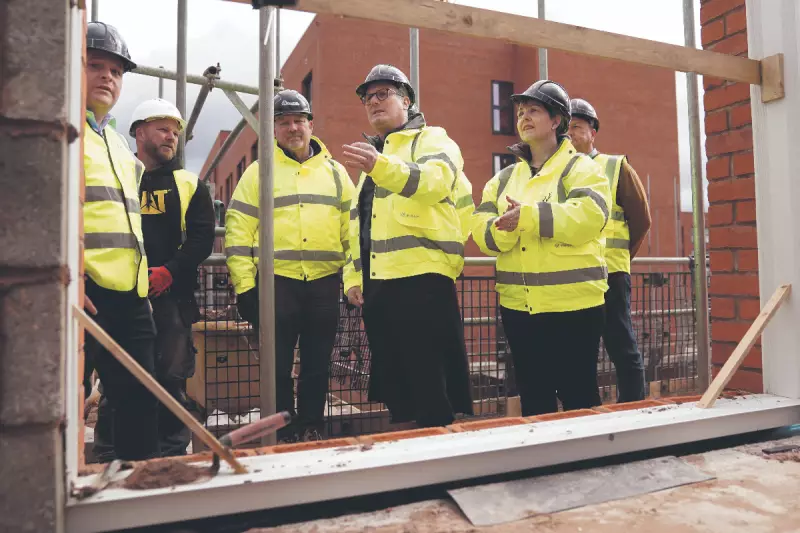
The UK's construction sector is in the grip of its most severe contraction for five and a half years, according to stark new figures released today. The data delivers a sharp warning to the Labour government as it pursues an ambitious target of building 1.5 million homes by the end of the decade.
PMI Data Reveals Rapid Acceleration of Decline
The closely watched monthly S&P Global survey showed activity plummeting in November. The headline Purchasing Managers’ Index (PMI) fell to 39.4, a figure that is more than ten points below the 50.0 mark that separates growth from contraction.
Every major segment of the industry registered a steep drop in output, with the pace of decline accelerating to its fastest rate since the pandemic. Housing activity was the biggest drag, with its sub-sector PMI collapsing to 35.4. Commercial construction recorded a reading of 43.8, while civil engineering activity was hardest hit at 30.0.
Collapse in Confidence and New Orders
The survey of around 150 construction firms pinpointed a toxic mix of causes for the sharp downturn. Key factors included severely weakened investor confidence, a stark lack of new work being commissioned, and significant delays in starting projects that were already in the pipeline.
Businesses reported that pre-Budget speculation about potential tax rises had severely dampened sales and crushed risk appetite. This uncertainty has had a direct impact on order books, with only 17 per cent of firms signalling an increase in new orders.
Overall business confidence for the year ahead has crashed to its lowest point since December 2022. Companies cited cutbacks to investment budgets and profound worries about the UK's long-term economic prospects as major reasons for the gloomy outlook.
A Major Blow to Government Housing Ambitions
This fresh data casts serious doubt on the government's flagship pledge to build 1.5 million homes over the next five years. The target, already criticised by industry bodies like the Construction Plant Hire Association (CPA), now appears increasingly challenging.
Thomas Pugh, chief economist at RSM, stated the PMI reading was "yet another piece of evidence that pre-budget speculation about large tax rises was having a significant negative impact on business confidence." He warned, "It doesn’t bode well for growth in the fourth quarter, where there is a real risk of flatlining or even a contraction."
While the Office for Budget Responsibility has suggested housebuilding could recover from 2027 when new planning laws take effect, it also cautioned that added environmental safeguards "pose downside risks" to projections. The sector's recovery is also inextricably linked to the success of Labour's wider economic growth mission.
Some analysts, like Rob Wood at Pantheon Macroeconomics, believe the PMI may be overly pessimistic compared to official ONS output measures. However, he conceded that "there’s no doubt that construction firms are extremely disappointed in the government’s progress." For now, the industry awaits a post-Budget boost in confidence and further interest rate cuts to stem the rapid decline.