
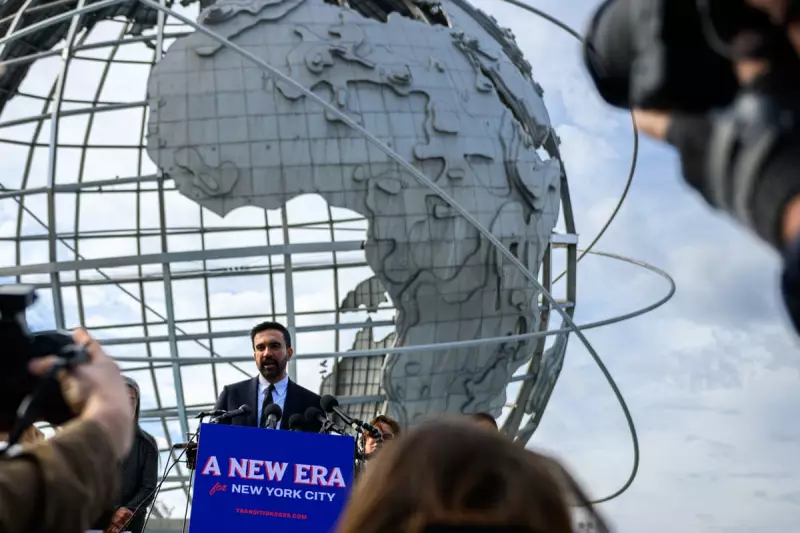
Democratic socialist Zohran Mamdani's unexpected victory in the New York City mayoral election has sparked both excitement and scrutiny regarding how he will fund his ambitious progressive agenda. The mayor-elect, who secured his win on Tuesday, campaigned on bold promises to transform New York into a more affordable city through policies including free bus transport, universal childcare, and a massive expansion of low-cost housing.
The Financial Challenges Ahead
Transforming New York City comes with a significant price tag, and many economists and political figures to Mamdani's right argue he faces substantial obstacles in delivering his signature ideas. The Trump administration presents an additional complication, likely to withdraw funding from New York in what appears to be an attempt to sabotage the new mayor's administration and create budget shortfalls.
Further limiting Mamdani's financial flexibility is the requirement for state legislature approval to adjust many revenue streams. Matt Gardner, a senior fellow at the Institute on Taxation and Economic Policy, highlighted this constraint by referencing a 2014 incident where the state legislature blocked the city from increasing dog licensing fees due to disagreements between then-mayor Bill de Blasio and a lawmaker.
Revenue Generation Strategies
The Mamdani campaign estimates it can raise approximately $10 billion through targeted tax increases and improved collection of existing fees. This substantial sum would primarily come from two key sources:
Corporate Tax Increases: Mamdani proposes raising the state corporate tax rate to between 7.25% and 11.5%, which could generate about $5 billion, with a significant portion directed to New York City. While legislative leaders have previously supported similar measures, Governor Kathy Hochul remains opposed to tax hikes.
Wealth Tax: The plan includes a 2% tax increase on individuals earning over $1 million annually, projected to raise $4 billion. Though this requires state approval and faces opposition from moderate Democrats, Nathan Gusdorf of the Fiscal Policy Institute notes the political pathway exists due to the popularity of taxing the wealthy, especially when proceeds fund popular programmes.
Key Policy Costs and Implementation
Universal Childcare: Implementation costs vary dramatically between $2.5 billion and $12 billion, depending on whether it becomes a city or state programme. Funding remains the critical question, hinging on whether the proposed corporate and wealth taxes can pass in Albany.
Affordable Housing: The ambitious plan to build 200,000 affordable units over ten years with an estimated $100 billion investment has drawn scepticism from more conservative commentators. However, Gusdorf clarifies that the debt would be accrued and repaid in stages across multiple administrations, with the housing generating revenue to service the debt.
Free Bus Transport: Estimated to cost at least $700 million, accounting for a 48% fare evasion rate, observers suggest this could be covered by streamlining or cutting other programmes within the city's $116 billion budget.
Gardner anticipates compromise will be necessary, noting that while Mamdani's promises might receive a 'haircut,' the governor's opposition to tax increases may soften when faced with the reality that her spending priorities require additional revenue.




