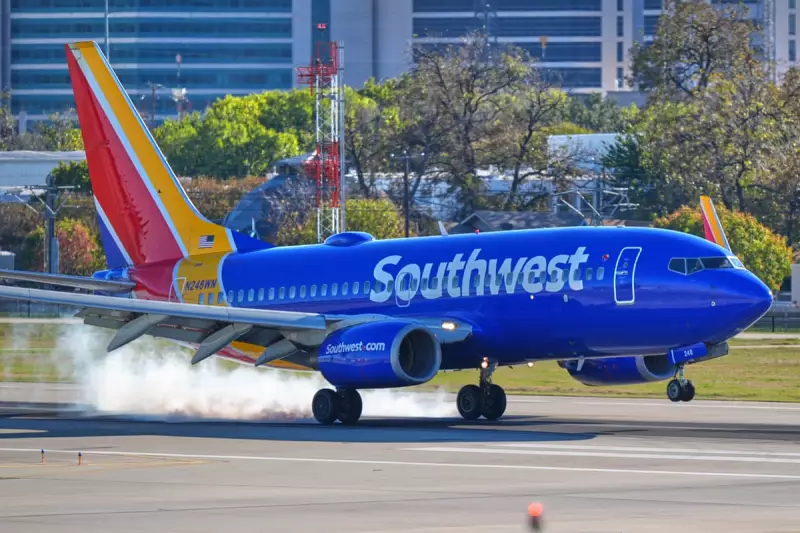
The United States government has formally waived an $11 million fine against Southwest Airlines, concluding a major enforcement action stemming from the carrier's catastrophic operational collapse during the 2022 holiday travel period.
The Settlement and the Waiver
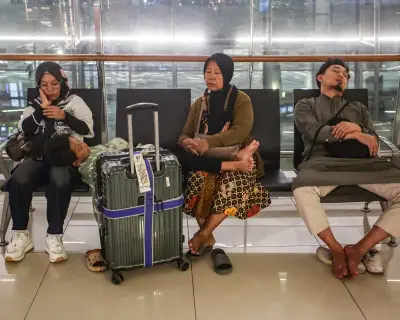
This decision forms the final part of a comprehensive $140 million settlement agreement between the airline and the US Department of Transportation. The resolution addresses the widespread disruption that left more than 2 million passengers stranded in December 2022.
Southwest had previously agreed in December 2023 to pay a $35 million cash penalty over three years for its handling of the crisis. Furthermore, the airline committed to providing $90 million in travel vouchers, valued at $75 or more, to passengers who experienced delays of at least three hours reaching their final destination due to an airline-caused issue or cancellation.

Investments to Prevent Future Failures
In the wake of the meltdown, Southwest embarked on a significant investment programme aimed at bolstering its operational resilience. The airline has pledged to invest more than $1 billion in upgrades to its systems and processes to improve overall performance and reliability.
The US Department of Transportation explicitly cited this substantial financial commitment in a written order. Officials stated that Southwest's decision to make these critical investments was a key factor in the agency's choice to waive the remaining $11 million fine, which was originally due by the end of January 2024.
Legacy of the Holiday Travel Chaos
The December 2022 crisis represented one of the most severe breakdowns in recent US aviation history. A combination of severe winter weather and outdated internal scheduling technology caused Southwest's network to unravel completely, leading to thousands of flight cancellations over the busy Christmas and New Year period.
The $140 million settlement, now finalised with the waiver, stands as one of the largest ever imposed by the US transportation department for consumer protection violations. It underscores the severe consequences for airlines that fail to maintain adequate operational safeguards during peak travel times.