Air Travel Recovery Accelerates After Government Reopens
The United States aviation sector is experiencing a rapid recovery following the recent federal government shutdown, with experts confirming that Thanksgiving holiday travel should proceed normally. This positive development comes as air traffic controllers return to work after receiving assurances about back pay and additional bonuses.
The transportation sector faced significant disruption during the 43-day shutdown that began on 1st October. Air traffic controllers, deemed essential workers, were required to work without payment throughout this period, leading to widespread staff shortages as many called in sick, sought alternative employment, or resigned from their positions.
Immediate Improvements Following Resolution
According to the Department of Transportation, the situation has improved dramatically since the Senate and House passed legislation to reopen the government. Transportation Secretary Sean Duffy confirmed that controllers would receive 70% of their back pay within 24 to 48 hours of the shutdown ending, with the remaining balance paid within the following week.

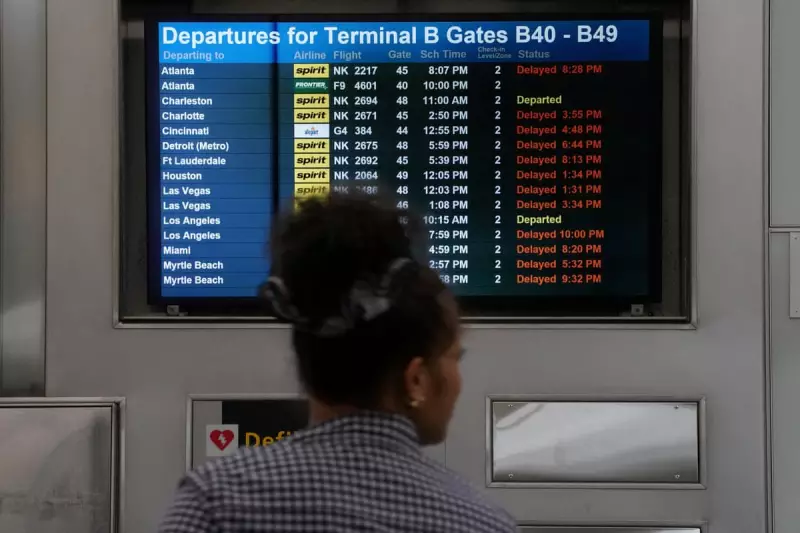
The impact has been immediate and substantial. Mike Arnot, spokesperson for aviation analytics company Cirium, stated: "Already we are seeing less flight cancellations and delays. That's a testament to the controllers, right? Now that the controllers are going to get their back pay, finally, it probably will relatively quickly re-establish stability in the US airline industry."
Data from the transportation department shows a remarkable reduction in staffing issues, with only four staffing triggers recorded on Wednesday compared to 81 on 8th November. Staffing triggers indicate delays caused by understaffed air traffic facilities.
Bonus Payments and Flight Restoration
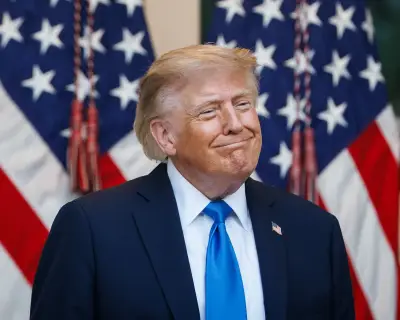
In a further boost to morale, former President Donald Trump announced that air traffic controllers who continued working during the shutdown would receive a $10,000 bonus payment. This was followed by Homeland Security Secretary Kristi Noem extending the same bonus offer to Transportation Security Administration officers who maintained their duties throughout the difficult period.
The Federal Aviation Administration had previously ordered domestic airlines to reduce flights by 10% at 40 of the busiest airports due to controller shortages. However, following the resolution, Secretary Duffy announced that these reductions would be frozen at the current 6% level rather than expanding as originally planned.
Henry Harteveldt, airline industry analyst at Atmosphere Research Group, predicted that if staffing levels normalise this weekend, airlines could restore their regular flight schedules as early as next week.
Long-term Challenges Remain
Despite the rapid recovery, underlying challenges persist in the US aviation system. The country was already experiencing an air traffic controller shortage before the shutdown began, with approximately 3,800 fewer controllers than the Federal Aviation Administration's target level of 14,600.
Kit Darby, an aviation consultant, warned that "it's going to take two or three years to get enough air traffic controllers to approach the full number." The extended shutdown period has likely exacerbated this existing staffing crisis.
Additional concerns have been raised by Dennis Tajer, spokesperson for the Allied Pilots Association, who noted that pilots worked additional hours during the shutdown period. This has left limited capacity for handling potential weather-related disruptions in the coming weeks.
The recovery marks a significant improvement from the 2019 government shutdown, when controllers waited more than two months to receive full back pay. The current accelerated payment schedule appears to have been crucial in stabilising the system ahead of the busy Thanksgiving travel period.