New research reveals a dramatic and sustained collapse in the number of flights within the United Kingdom over the past two decades, signalling a profound shift in the nation's travel habits.
A Staggering Two-Decade Decline
Analysis from the aviation analytics firm Cirium has uncovered a stark picture. In 2025, a total of 213,025 domestic UK flights were scheduled. This figure stands in stark contrast to the peak of 454,375 flights recorded in 2006.
This represents a fall of more than 240,000 flights, equating to an average daily reduction of 661 flights across the country. Jeremy Bowen, the CEO of Cirium, described the findings as evidence of a 'staggering change in the way we travel throughout the UK'.

The trend continues its downward path, underscored by the recent news that regional carrier Eastern Airways has officially entered administration.
What's Driving the Change?
Surprisingly, the cost of air travel is not the primary driver. Fares have remained relatively stable, with a pre-booked London to Edinburgh flight costing between £50 and £100 twenty years ago (inflation-adjusted), compared to approximately £40-£70 today.
Instead, experts point to a confluence of factors reshaping passenger choice:
- Improved rail services: Better and more frequent train connections offer a competitive alternative.
- Higher Air Passenger Duty: Increased taxes on flying have made air travel less attractive.
- Environmental concerns: Growing public awareness of the climate impact of aviation is influencing decisions.
- Changing work patterns: The rise of remote and hybrid work, accelerated by the COVID-19 pandemic, has reduced the need for frequent business travel.
The Ripple Effect on Airlines and Airports
The impact of this declining demand has been severe for the aviation sector. Flybe, once Europe's largest regional airline, has collapsed twice. Other former giants like British Midland (bmi) and its low-cost arm bmibaby are long gone.
Airlines have strategically pivoted to focus on more profitable short-haul international routes to popular European destinations such as Spain, France, and Italy. Aviation consultant Gavin Eccles explained that carriers like easyJet and Ryanair are ordering larger aircraft suited to longer sectors where they can generate more revenue from ancillary services like baggage and seat selection.
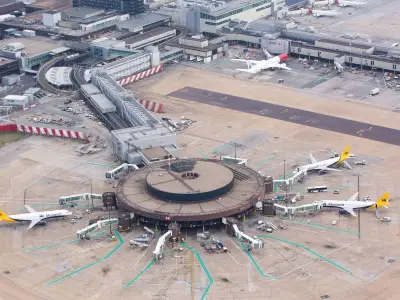
The landscape for regional airports has also transformed. Several hubs, including Doncaster Sheffield, Blackpool, and Plymouth, have closed their commercial operations over the past 20 years. Surviving airports in cities like Southampton, Norwich, and Exeter now rely heavily on seasonal leisure flights, with domestic services largely limited to feeder flights to major international hubs like Heathrow.
As the skies have quietened, the railways have boomed. According to the Office of Rail and Road, passenger rail journeys have surged from about 1.08 billion in 2005/06 to 1.73 billion in 2024/25 – an increase of around 60%, clearly illustrating the beneficiary of this major transport shift.