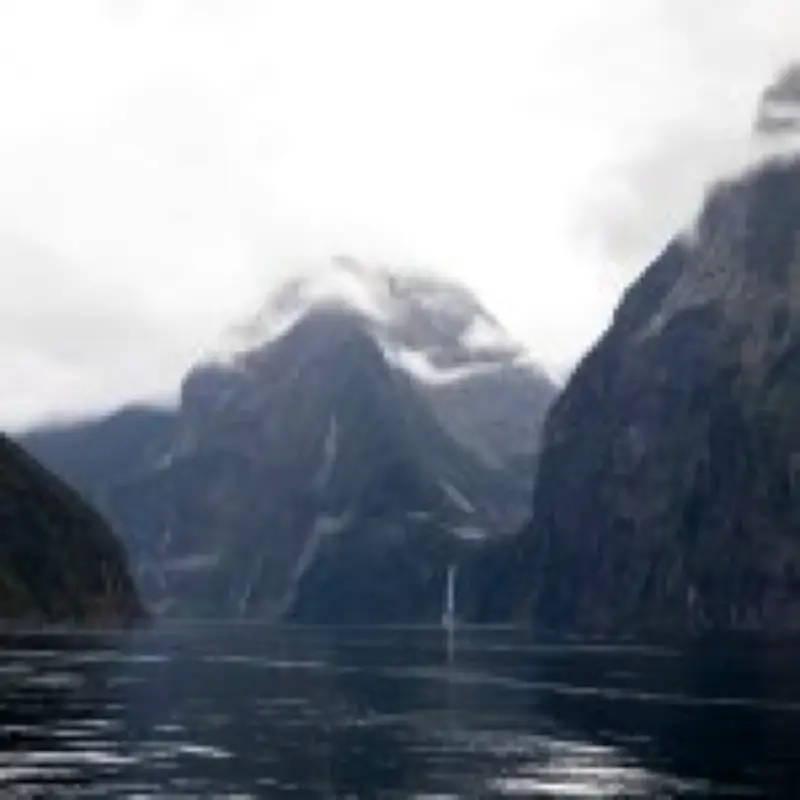
A 6.3 magnitude earthquake struck near New Zealand's Fiordland National Park on July 16, 2026, prompting an immediate tsunami warning and evacuation order for coastal areas of the South Island. The National Emergency Management Agency (NEMA) issued the alert after detecting a potentially damaging tsunami wave following the quake, which occurred at 9:14 p.m. local time approximately 24 miles north of Te Anau.
Evacuation orders and affected areas
People in coastal zones from Milford Sound to Puysegur Point on the west coast of the South Island were told to move to higher ground immediately, abandoning vehicles if necessary to avoid traffic congestion. NEMA warned that land inundation was likely in these areas and urged residents to evacuate even if they did not feel the earthquake. The agency stated: 'People near the coast in the following areas must move immediately to the nearest high ground, out of tsunami evacuation zones, or as far inland as possible. The earthquake may not have been felt in some of these areas, but evacuation should be immediate as a damaging tsunami is possible.'
Earthquake details and impact
The earthquake's epicenter was detected at a depth of around 58 miles, west of the tourist hub Queenstown in Otago. One resident over 100 miles from the warning zone reported: 'Big Earthquake just struck around Te Anau. I'm 200km away and the shaking here was intense. Hopefully everyone is okay and there isn't too much damage.' Shocks were felt as far east as Dunedin, nearly 200 miles away, where a Reddit user noted: 'Felt it in Dunedin. Not super strong but definitely felt it.'

Safety instructions and historical context
NEMA advised people to walk, run, or cycle to evacuate to reduce traffic congestion and to not return home until an official all-clear message was given. Those outside the immediate evacuation zone who felt a long or strong earthquake making it difficult to stand were also told to move to higher ground. New Zealand sits on the boundary of the Australian and Pacific plates, making it prone to earthquakes. The South Island's largest city, Christchurch, was devastated by a 2011 earthquake that killed 185 people. The country's worst natural disaster remains the 1931 Hawke's Bay earthquake, a 7.8 magnitude shock that killed 256 people.