A dramatic SpaceX rocket explosion during a test flight earlier this year placed multiple commercial airliners in significant danger, according to newly reviewed official documents. The incident, which saw debris rain down for nearly an hour, forced emergency reroutes and created a 'potential extreme safety risk' for air traffic.
Mid-Air Crisis and Emergency Declarations
The chaos unfolded in January 2025 when SpaceX's Starship rocket, designed for future Mars missions, suffered what the company euphemistically calls a 'rapid unscheduled disassembly' roughly eight minutes into its flight. The explosion occurred after the spacecraft separated from its Super Heavy booster over the Gulf of Mexico.
According to a Wall Street Journal review of Federal Aviation Authority (FAA) documents, the event immediately created a temporary no-fly zone strewn with falling wreckage. Three aircraft carrying approximately 140 people were directly impacted. A JetBlue flight bound for Puerto Rico was informed it could no longer land as planned because its route went through the potential danger zone. Rerouting, however, would have meant risking low fuel over water. The flight was ultimately forced to declare a fuel emergency before landing safely in San Juan.

An Iberia Airlines plane and a private jet faced similar perilous situations. In the ensuing scramble to avoid debris, air traffic controllers in Miami faced immense pressure, and at least two unspecified aircraft flew dangerously close to each other, requiring controller intervention to prevent a potential mid-air collision.
Systemic Failures and Delayed Warnings
The report highlights critical failures in communication and procedure. SpaceX did not immediately use an official hotline to notify the FAA about the explosion. Instead, air traffic controllers first learned of the crisis from pilots who reported seeing debris in the airspace.
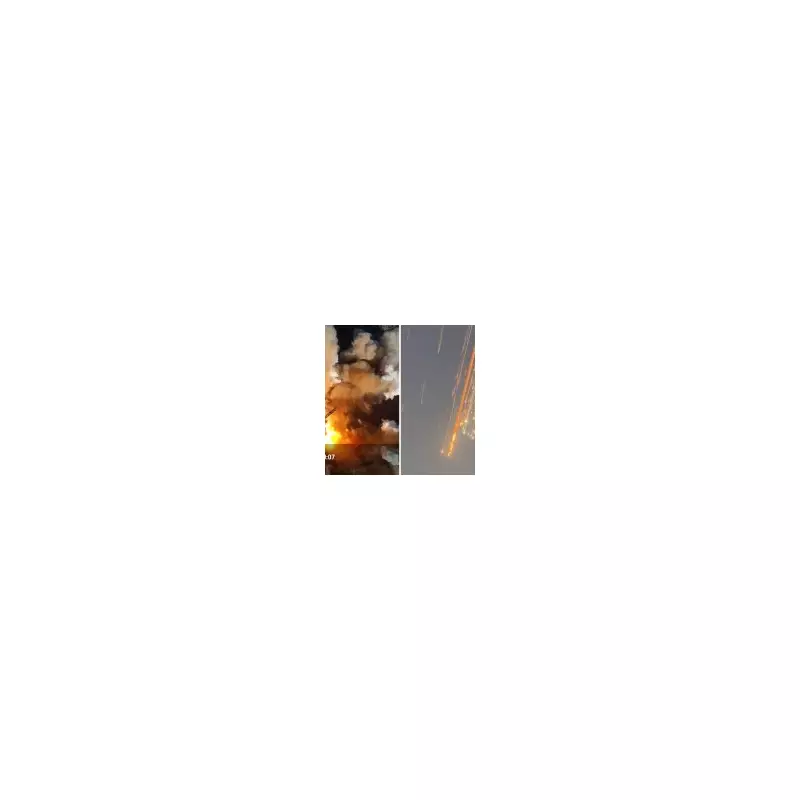
Video footage captured the terrifying spectacle from the ground, with orange balls of light and smoke trails streaking across the sky over Port-au-Prince, Haiti. Tourists in the Caribbean's Turks and Caicos filmed the event, with one witness describing the beautiful but ominous display as a clear sign something had gone terribly wrong. Later, locals reported finding rocket debris, including pieces of burned rubber and heat tiles, washed ashore on islands.
Ongoing Concerns and a Paused Safety Review
The failed launch sparked immediate concern about the broader impact of commercial space launches on aviation safety. A formal safety review was launched but was halted in August 2025. Authorities reasoned that most safety measures were already being implemented and that consultation with experts outside the United States was needed.
At the time of the explosion, SpaceX founder Elon Musk posted a tongue-in-cheek comment on X, stating, 'Success is uncertain, but entertainment is guaranteed!' He has since acknowledged potential future issues, telling the All-In Summit in September that a larger, more powerful version of Starship 'might have some initial teething pains because it’s such a radical redesign'.
While JetBlue stated it was confident its flights avoided locations where debris was seen, and Iberia claimed its plane went through the area only after all debris had fallen, the FAA documents paint a picture of a narrowly averted catastrophe. The report concludes that had any debris struck an aircraft, the consequences could have been catastrophic, including passenger fatalities.