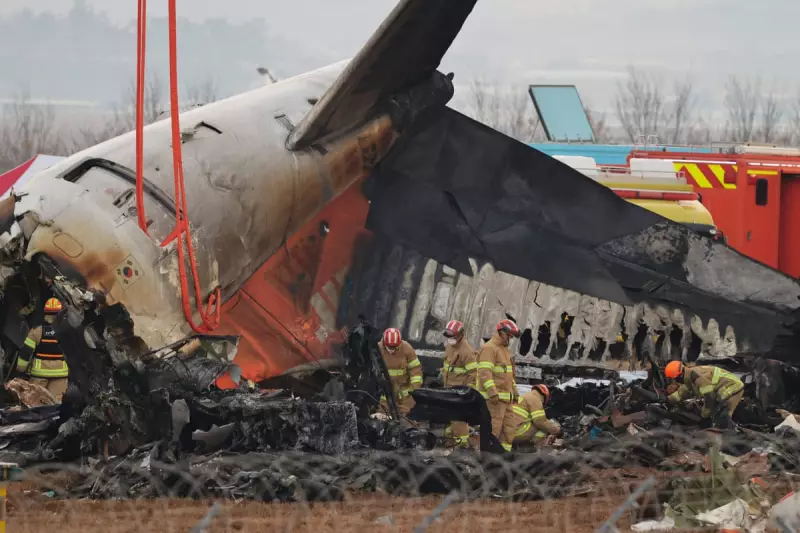
South Korea's parliament has taken the extraordinary step of launching an independent inquiry into the nation's deadliest air disaster, following mounting accusations of investigation delays and potential cover-ups surrounding the Jeju Air crash last December.
A Catastrophic Belly-Landing and Fire
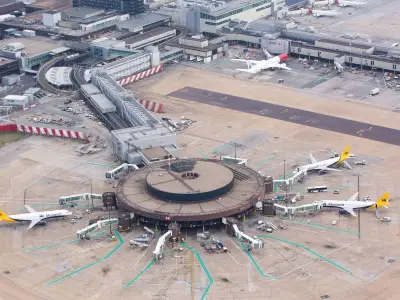
The tragedy unfolded on 29 December 2024 at Muan international airport, located 288km south of Seoul. A Jeju Air Boeing 737-800, arriving from Bangkok, reported a bird strike during its landing approach. While the aircraft managed to execute a belly-landing, it then careered into a concrete embankment at the runway's end and erupted into flames. Of the 181 people on board, only two survived, making it South Korea's most lethal aviation accident on home soil.
Parliamentary Committee Granted Investigative Powers
In a near-unanimous vote of 245 to one, lawmakers approved the formation of an 18-member parliamentary committee. This body will conduct a 40-day investigation, with scope for extension, scrutinising the causes of the crash and examining whether government agencies attempted to downplay or conceal evidence.

The committee's mandate is broad, focusing on several critical areas:
- Potential mismanagement of bird-strike risks.
- Possible defects in the aircraft.
- The role and design of the fatal concrete embankment.
- Any governmental efforts to minimise the investigation's findings.
It has been granted significant authority, including the power to summon officials from the transport ministry, the Korea Airports Corporation, Jeju Air, and other relevant bodies for hearings and to demand document submission.
Families' Fury and a "Structural Contradiction"
The push for an independent probe stems from deep-seated anger and distrust among the victims' families, nearly a year after the disaster. Their primary criticism is directed at the Aviation and Railway Accident Investigation Board (Araib), the official body leading the inquiry.
Families argue that a fundamental conflict of interest exists because Araib reports directly to South Korea's transport ministry. This is the same government department responsible for both airport safety and the construction of the concrete structure implicated in the fire. The families have labelled this a "structural contradiction where the investigation target is investigating itself", asserting it violates international standards for independent air crash probes.
Tensions have been high for months. In July, families disrupted a press briefing, alleging investigators were preparing to blame pilot error for mistakenly shutting down a functioning engine after the bird strike. A planned re-examination of the wreckage was cancelled last month after investigators refused to let families photograph the process. Furthermore, Araib postponed crucial public hearings scheduled for early December, which the families condemned as a "self-investigation" designed to "downplay and cover up the disaster".
A Pattern of Distrust in Disaster Response
This controversy echoes broader national tensions over the handling of major tragedies in South Korea. The families' struggle for transparency and accountability recalls the prolonged fights for truth following the 2022 Itaewon crowd crush and the 2014 sinking of the Sewol ferry.
Separately, police have already opened investigations into multiple current and former transport ministry officials in connection with the crash. Under international aviation regulations, an interim statement on the crash must be released by the anniversary date of 29 December if a final report is not ready, adding further pressure on all investigating bodies.
The establishment of the parliamentary committee represents a significant political response to public outcry, aiming to deliver answers where the official process is seen to have faltered.