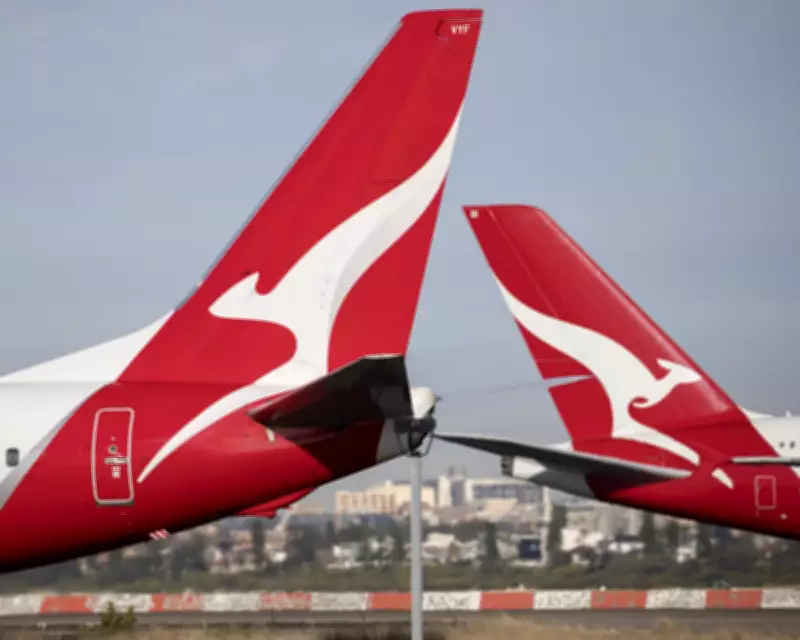
Qantas has reported a substantial half-year underlying profit of $1.46 billion, marking a 5% increase compared to the previous year. The Australian airline's budget subsidiary, Jetstar, emerged as the top performer with an 8% rise in revenue and expanded profit margins.
Robust Travel Demand Drives Financial Success
Despite widespread cost-of-living pressures affecting consumer spending across Australia, travel remains a priority for many Australians. Recent spending reports consistently indicate that while households are cutting back on discretionary items, expenditure on travel continues to grow.
Qantas attributes its strong financial performance to multiple factors including robust customer demand, the introduction of new routes, and increased flight frequency to popular destinations such as Japan, Bali, and New Zealand. The airline's strategic expansion across the Tasman Sea has particularly contributed to revenue growth.

Fleet Modernization Delivers Operational Benefits
Chief Executive Vanessa Hudson is overseeing Qantas's most ambitious fleet renewal program in the company's history. This initiative addresses years of underinvestment while positioning the airline for future growth.
The new aircraft are delivering significant operational advantages including:
- Improved fuel efficiency reducing operational costs
- Lower maintenance requirements
- Enhanced flexibility to establish new routes
- Increased customer satisfaction levels
Qantas is currently replacing its aging domestic fleet while simultaneously acquiring long-range aircraft to expand international operations.
Shareholder Rewards and Market Outlook
The airline is returning value to shareholders through an interim dividend of 19.8 cents per share, representing a 20% increase from previous distributions. Additionally, Qantas has initiated a share buyback program designed to reduce the number of outstanding shares, which typically supports share price appreciation.
While Qantas anticipates continued strong travel demand, the company acknowledges it will closely monitor economic developments in the United States market. The US has presented challenges for the airline, though Hudson clarified that social media declaration requirements for US entry have not resulted in customer rejections affecting Qantas passengers.
The airline's success story demonstrates how strategic fleet investment combined with sustained travel demand can overcome broader economic headwinds, positioning Qantas for continued growth in the competitive aviation industry.