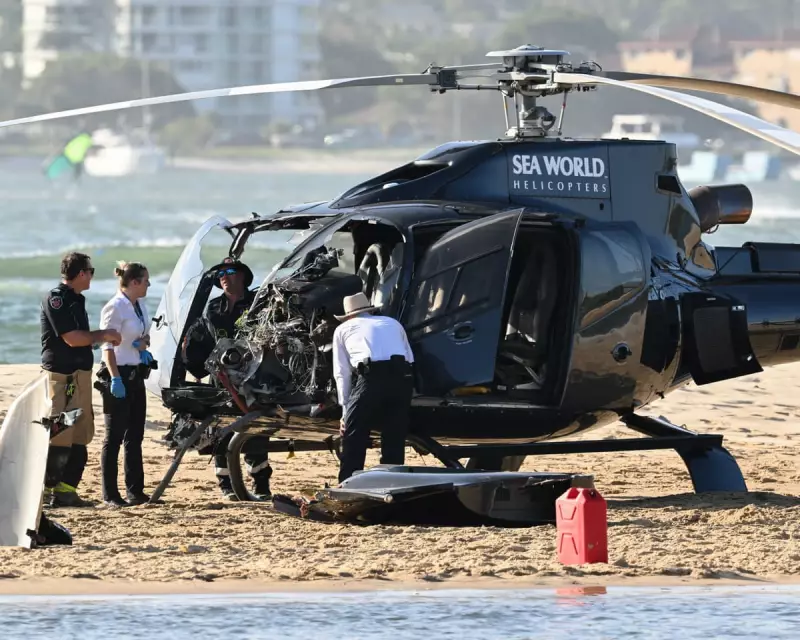
A coronial inquest into a fatal helicopter crash at Sea World on Australia's Gold Coast has been presented with disturbing evidence about the pilot's conduct the night before the tragedy.
Night Before the Disaster
The inquest heard that the pilot of the Airbus EC130 B4 helicopter, Ashley Jenkinson, was allegedly seen using cocaine at a party on the evening of 1 December 2022. The crash occurred the following afternoon, 2 December 2022, claiming the lives of four people, including Jenkinson himself.
Witness testimony presented to the Queensland Coroners Court described Jenkinson's behaviour at a social gathering. One witness stated they observed the pilot consuming a white powder from a car key, an action they believed to be the use of cocaine. The evidence suggests this occurred roughly 18 hours before Jenkinson was scheduled to fly.

The Fatal Collision
The accident happened in the early afternoon during a routine scenic flight. Jenkinson's helicopter, operating for Sea World Helicopters, was taking off from a northern helipad at the theme park.
It collided with another helicopter, a Eurocopter Squirrel, which was landing on a nearby southern helipad. The impact and subsequent crash resulted in the deaths of Jenkinson, British couple Ron and Diane Hughes, and Sydney mother Vanessa Tadros. Several other passengers sustained serious injuries in the devastating incident.
The inquest is examining the full circumstances surrounding the crash, which sent shockwaves through the local community and the tourism industry.
Investigation and Broader Implications
The inquiry is scrutinising not only the pilot's actions but also broader aviation safety protocols and duty-of-care responsibilities. Key questions are being raised about drug testing regimes for pilots and the enforcement of mandatory rest periods.
While the investigation by the Australian Transport Safety Bureau (ATSB) is ongoing, this witness testimony has introduced a critical new element. The findings from this inquest could lead to significant changes in regulations governing pilot health and pre-flight conduct, both in Australia and potentially influencing standards internationally.
The tragic event underscores the paramount importance of rigorous safety measures in the aviation sector, particularly for scenic flights operating in busy tourist areas.