NASA's Artemis II Moon Mission Delayed by Critical Fuel Leak
NASA has announced a significant setback for its ambitious Artemis II mission, with the launch now postponed until March 2026. The delay comes after a recurring hydrogen propellant leak was detected during a crucial pre-launch test, highlighting the technical challenges of handling this volatile fuel.
Wet Dress Rehearsal Reveals Persistent Issue
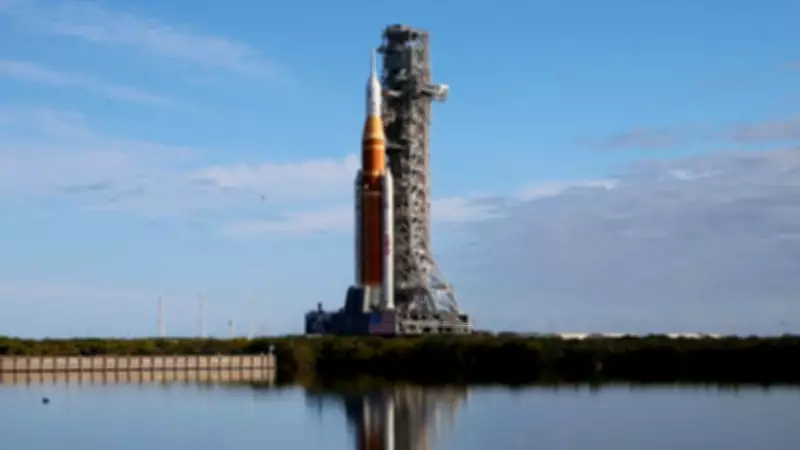
The so-called "wet" dress rehearsal at Kennedy Space Centre in Florida was intended as a full run-through of launch procedures, including fuelling the massive rocket. However, the countdown was halted twice when engineers discovered hydrogen leaking from the seal between the fuelling hose and the rocket. Despite initial attempts to resolve the problem, the leak persisted and exceeded safety limits during the replenish phase, with just over five minutes left on the clock.
Hydrogen is notoriously difficult to manage as a rocket propellant. Its extremely small molecules make containment a constant challenge, and it is pumped into the rocket as a liquid at high pressure and temperatures as low as -253°C. These frigid conditions can cause seals to become unreliable, leading to leaks that jeopardise mission safety.

History of Hydrogen Leaks Plagues Artemis Programme
This is not the first time hydrogen leaks have disrupted NASA's Artemis programme. The initial uncrewed test flight of the rocket in 2022 was delayed by three months due to a series of similar issues, requiring the rocket to be rolled back to its maintenance hangar for repairs on two occasions. NASA had hoped these fuelling problems were resolved, but the latest incident underscores the ongoing technical hurdles.
With a crew of four astronauts—commander Reid Wiseman, pilot Victor Glover, and specialists Christina Koch and Jeremy Hansen—set to fly around the moon, NASA is taking no chances. The astronauts have been released from quarantine in Houston but will re-enter a period of infection shielding approximately two weeks before the new target launch date of 6 March.
Broader Implications for Lunar Exploration Race
The delay, while not entirely unexpected for a new rocket system, adds pressure to NASA's lunar exploration timeline. The United States aims to return astronauts to the lunar surface before China, which has set a goal of landing taikonauts on the moon by 2030. Artemis II is a critical step in this endeavour, designed to test the rocket and Orion crew capsule ahead of a planned moon landing, optimistically scheduled for 2028.
Engineers are now under intense scrutiny to find a permanent fix for the hydrogen leak issue, ensuring the safety of the crew and the success of future missions. As the space agency navigates these technical challenges, the world watches closely, anticipating the next chapter in human space exploration.