NASA Postpones Historic Moon Mission Following Critical Test Issues
NASA has announced a significant delay to its highly anticipated Artemis II mission, pushing back the launch of astronauts around the moon by approximately a month. The decision comes after engineers encountered technical problems during a crucial pre-launch test of the agency's most powerful rocket, the Space Launch System (SLS).
Fuel Leaks Force Schedule Revision
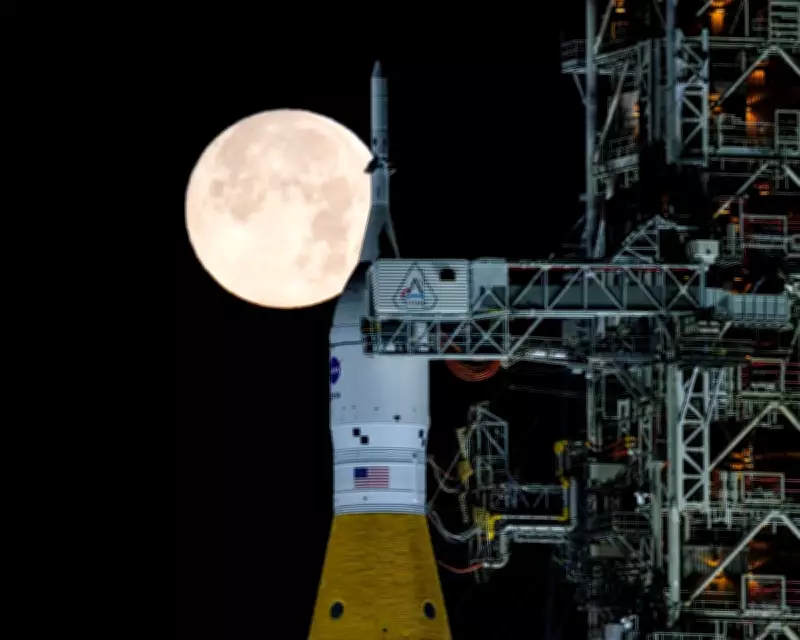
During what is known as a "wet dress rehearsal" at Kennedy Space Center in Florida, teams detected leaking hydrogen from the massive 98-metre-tall SLS rocket. This elaborate launch-day walkthrough, designed to mimic final countdown procedures, also revealed issues with a valve associated with the Orion capsule that sits atop the rocket.
"Engineers pushed through several challenges during the two-day test," NASA stated in its official announcement. The agency added that teams would conduct a comprehensive review of all data collected from the testing before proceeding further.

Crew Impact and Mission Details
The postponement represents a frustrating setback for the four-person crew, who had already entered quarantine nearly two weeks before the originally scheduled launch window. NASA confirmed the astronauts will need to re-enter quarantine approximately two weeks before the rescheduled launch attempt.
Artemis II represents several historic milestones:
- The first return of humans to lunar vicinity in over fifty years
- Christina Koch becoming the first woman to travel beyond low Earth orbit
- Victor Glover becoming the first person of colour to journey beyond low Earth orbit
Technical Challenges and Future Plans
This marks the second flight of NASA's SLS rocket, following the uncrewed Artemis I mission in 2022. That earlier mission also experienced temporary hydrogen leak issues during testing phases, highlighting the technical complexities of working with super-cold propellants.
During the recent test, more than 2.6 million litres of liquid hydrogen and liquid oxygen flowed into the rocket's tanks as part of the simulated countdown procedure. The Artemis II mission, while not entering lunar orbit, will see astronauts complete a 685,000-mile round trip around the moon - the first such journey since Apollo 17 in 1972.
International Collaboration and Next Steps
The crew includes commander Reid Wiseman, a veteran of the International Space Station, and Canadian physicist Jeremy Hansen. If successful, Hansen would become the first non-US astronaut to travel beyond low Earth orbit, underscoring the international nature of modern space exploration.
NASA has identified several potential launch windows between February and the end of April, with the agency now targeting March for the rescheduled attempt. The Artemis programme, named after the Greek goddess of the moon, aims to establish a permanent human presence on the lunar surface, with Artemis III planned to land astronauts near the moon's south pole.
The delay allows engineers additional time to address the technical issues identified during testing, ensuring mission safety remains the highest priority as humanity prepares to return to lunar exploration.