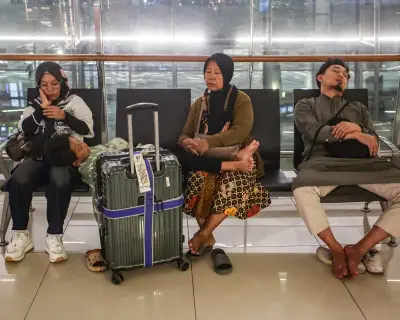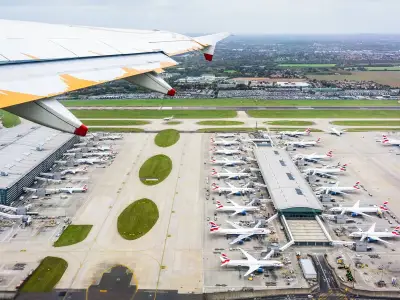
The specter of widespread flight cancellations looms over summer 2026 as a jet fuel shortage, ignited by the ongoing Strait of Hormuz crisis, threatens to disrupt travel plans for millions of British holidaymakers. Fuel prices have skyrocketed in recent weeks due to supply chain disruptions caused by the Iran conflict, which has severely hampered trade routes through this critical maritime chokepoint.
European Carriers Already Feeling the Pressure
Major European airlines, including KLM and Lufthansa, have preemptively cancelled hundreds of flights amid mounting concerns over fuel availability. Industry specialists warned last week that British travelers could face up to eight weeks of significant airport disruption this summer if the Strait of Hormuz crisis persists unabated. This alarming forecast has left many wondering whether their long-awaited summer getaways will materialize.
Why Haven't Budget Airlines Cancelled Flights?
In a detailed TikTok analysis, travel specialist Rob Brooks, an insider at the prominent travel company On The Beach, sought to allay public fears. He emphasized that holiday-makers should not panic, pointing out a crucial factor: major low-cost carriers like Ryanair and easyJet have not yet cancelled any services. Brooks explained that while some flights are being scrapped, it is not due to planes being unable to fly or destinations becoming unsafe. Instead, airlines are making calculated financial decisions.

"When fuel prices spike dramatically, airlines face a stark choice: operate the flight at a loss or cancel it. Occasionally, they opt for cancellation," Brooks stated. He further clarified that many carriers do not purchase fuel at volatile spot market rates. Instead, they employ a sophisticated strategy known as "fuel hedging," securing fuel costs months or even years in advance at fixed prices.
The Protective Shield of Fuel Hedging
"While fuel prices are indeed rising sharply right now, numerous airlines are insulated from this volatility, at least for summer 2026," Brooks continued. "Airlines such as Ryanair and easyJet are renowned for hedging a substantial portion of their fuel early. This foresight means they are not suddenly scrambling or cancelling vast numbers of flights overnight. The carriers most vulnerable are those that chose not to hedge their fuel."
Despite the media frenzy surrounding potential cancellations, Brooks highlighted that only approximately 1% of flights have actually been scrapped. This figure is not significantly higher than the typical cancellation or postponement rate for reasons unrelated to fuel supply issues, such as operational or weather-related disruptions.
Impact on Package Holidays and Customer Response
Package holidays may experience slightly different effects, as they bundle flight and hotel accommodations. However, Brooks stressed that a cancelled flight does not automatically spell disaster for your holiday. Travel companies are committed to finding suitable alternatives to salvage your plans.
"Even if you are among the small percentage affected by a flight cancellation, your holiday is not necessarily lost," he assured. "Holiday companies will always prioritize finding an alternative flight first—same destination, same hotel, just a different flight. Sometimes, this might mean departing a day earlier or returning a day later, which can be inconvenient, but at least you retain your holiday."
He added that in rare cases where no realistic alternative flight exists, your holiday will be cancelled with a full refund. However, most often, a cancelled flight results in a minor adjustment to your itinerary rather than a complete cancellation.
The Manual Backend and a Plea for Patience
Brooks also cautioned that travel firms may require considerably more time to respond to customers regarding potential flight cancellations and package holiday amendments. He encouraged travelers to "be patient," noting that the resolution process remains "surprisingly manual." This means staff need "a long time" to address and resolve any issues that may arise, as automated systems are not fully equipped to handle such complex, large-scale disruptions.

As the situation evolves, holiday-makers are advised to stay informed through official airline and travel company communications, while maintaining flexibility in their travel plans. The resilience of fuel-hedging strategies offers a glimmer of hope, but the ultimate impact on summer 2026 travel will hinge on the duration and severity of the Strait of Hormuz crisis.