Iran War Fears Trigger Global Aviation Chaos and Flight Disruptions
Heightened geopolitical tensions surrounding Iran have plunged the global aviation industry into a state of unprecedented chaos, with widespread flight disruptions reported across continents. Real-time flight tracking data from Flightradar24 reveals a significant number of aircraft being rerouted, delayed, or canceled outright as airlines and aviation authorities scramble to respond to escalating security threats. The situation underscores the fragile nature of international air travel in times of conflict, with passengers facing massive inconveniences and uncertainty.
Flightradar24 Data Exposes Extensive Rerouting and Cancellations
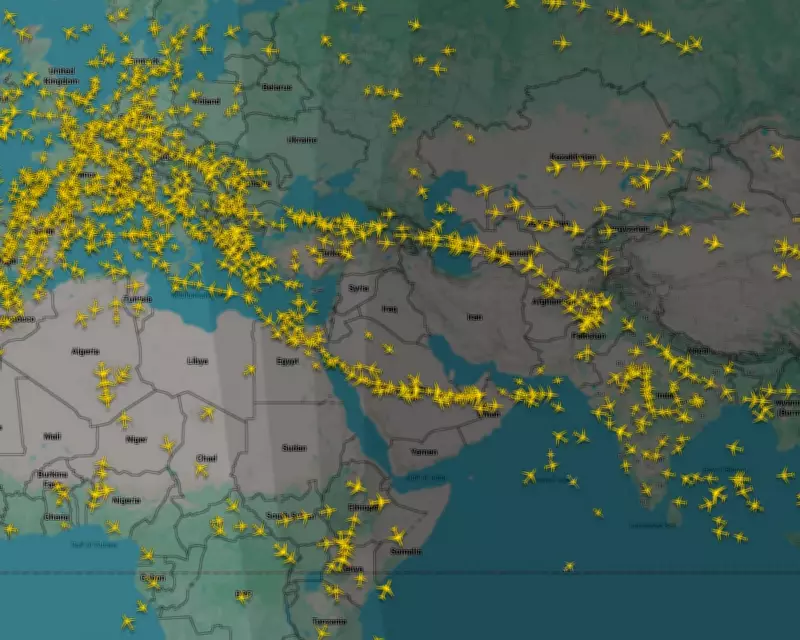
Flightradar24, a popular flight tracking service, has documented a sharp increase in abnormal flight patterns over the past 48 hours, directly linked to the deteriorating situation in Iran. Data indicates that numerous flights originally scheduled to traverse airspace near Iran have been diverted to longer, alternative routes, adding hours to travel times and increasing fuel costs for airlines. Major carriers from Europe, Asia, and the Middle East have proactively canceled services to and from Iranian airports, while others have suspended overflights through the region entirely.
The disruptions are not confined to the immediate vicinity of Iran; ripple effects are being felt globally. For instance, flights between Europe and Southeast Asia that typically pass over Iranian airspace are now taking circuitous paths over Central Asia or the Arabian Peninsula, leading to cascading delays and logistical nightmares. Aviation experts warn that the chaos could persist for days or even weeks, depending on how the geopolitical standoff evolves.

Security Concerns and Airspace Closures Amplify Travel Woes
In response to the rising threat of conflict, several countries have issued advisories or outright closures of their airspace near Iran, citing risks to civilian aircraft. This has forced airlines to make last-minute adjustments, often with little notice to passengers. The International Air Transport Association (IATA) has urged member airlines to exercise extreme caution, emphasizing that safety remains the paramount concern. Meanwhile, airports in neighboring nations are experiencing congestion as diverted flights seek alternative landing options.
Passengers have reported scenes of confusion and frustration at major hubs like Dubai, Istanbul, and Delhi, where flight information displays show a litany of cancellations and delays. Travel insurance claims are expected to surge, with many travelers stranded or forced to book costly alternative arrangements. The economic impact on the aviation sector is already significant, with losses mounting from disrupted operations and increased operational expenses.
Broader Implications for Global Aviation and Future Preparedness
This episode highlights the vulnerability of global aviation networks to regional conflicts, raising questions about contingency planning and international coordination. Flightradar24's real-time tracking has become an invaluable tool for both airlines and the public, offering transparency amid the turmoil. However, experts argue that more robust protocols are needed to mitigate such disruptions in the future.
As tensions continue to simmer, the aviation industry remains on high alert, with stakeholders closely monitoring developments. The chaos serves as a stark reminder of how quickly geopolitical events can translate into tangible disruptions for millions of travelers worldwide, underscoring the interconnectedness of modern air travel.