Sir Edward Watkin, a former MP and railway entrepreneur, envisioned a structure in North West London that would rival the Eiffel Tower. His ambitious plan was to erect the tallest building on Earth in Wembley, where Wembley Stadium now stands. The project, however, collapsed due to engineering problems and financial shortfalls, and the partially built tower was ultimately demolished in 1906.
The Grand Vision for Wembley
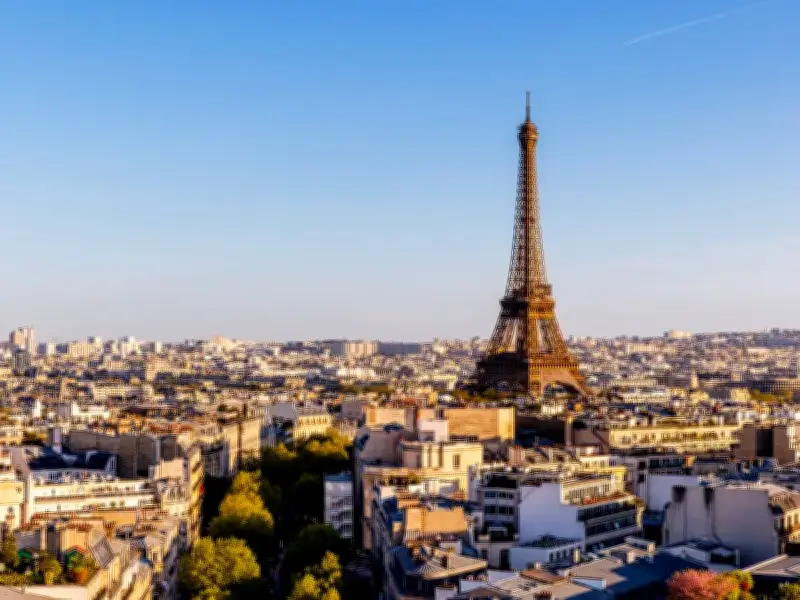
The actual Eiffel Tower was unveiled in 1889, towering 33 metres above the River Seine in Paris. Watkin wanted London to have something to match the Parisian icon. Rather than placing it in the city centre, he chose the marshy outskirts of Wembley, where he had acquired 280 acres of land to create a new community connected by his Metropolitan Railway. The site would have been just 12 minutes from Baker Street station.
A total of 68 different designs for the tower were submitted. The winning design came from Stewart, MacLaren and Dunn of London. Their plan was for a 366-metre-tall metal tower supported by eight legs, which would have stood 45.8 metres taller than the Eiffel Tower, which is 312.2 metres exactly.
Setbacks and Public Disinterest
Sir Edward had even asked Monsieur Eiffel for assistance, but he refused, fearing he would be looked down upon for helping England outdo France. Two major obstacles stood in the way of the project. The ground was muddy and marshy and prone to subsidence, causing the foundations to slant as construction began.
Another issue was its proximity to central London. Visitors to the site were disappointed not to get a panoramic view of the city upon arrival. Public interest quickly dwindled, and visitors donated only £27,000 of the £220,000 required.
Financial Collapse and Demolition
Watkin injected £100,000 of his own money into the project, but by the end of 1894, work had ceased. In an attempt to reignite public excitement, lifts were installed in 1896 to help people reach the platform. However, only 18,500 people paid to do so in the first six months. The tower earned nicknames such as "London Stump" and "Watkin's Folly".
It was eventually torn down in 1906, five years after Watkin died. The failure left no trace of the intended landmark, and Wembley later became known for its stadium rather than a would-be rival to the Eiffel Tower.