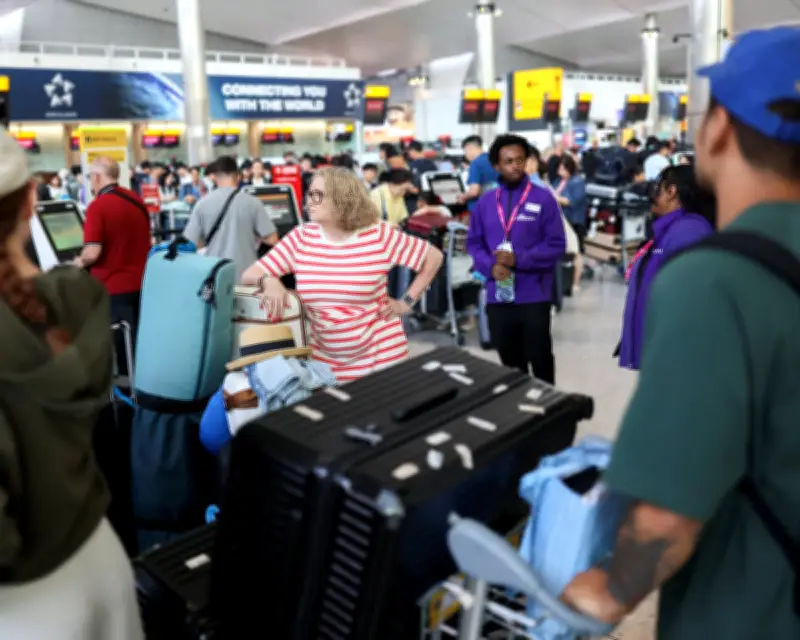
The Civil Aviation Authority (CAA) has permitted Heathrow Airport Limited (HAL) to recover up to £320m in early costs for planning its proposed third runway, a decision that will lead to higher fares for passengers over the next two to three decades. The regulator overrode objections from airlines, including British Airways, to allow the recovery of expenses incurred since 2025.
Cost recovery and passenger impact
The £320m spent on planning will be recouped through increased charges to airlines, which are typically passed on to travellers in air fares, over a period of approximately 20 to 25 years. Current airport charges stand at about £26.22 per passenger. The CAA stated that its decision would increase the maximum airport charge per passenger by roughly 15p in 2028, rising to an estimated 30p in subsequent years.
Additionally, the CAA will allow a rival expansion scheme, Heathrow West, led by property billionaire Surinder Arora, to claim back the £4.1m it spent on its plan in 2025 before the government designated HAL's proposal as its preferred option. Arora's refund, intended to promote competition, will be financed through Heathrow's additional charges.

Airline concerns and regulatory balance
British Airways, the largest airline at Heathrow, argued against early cost recovery, warning that it creates a risk of expansion becoming "unaffordable for consumers and inconsistent with a credible benefits case," according to a CAA document. Airlines have repeatedly complained that Heathrow already has the highest charges of any airport globally.
The CAA's director of consumers and markets, Tim Johnson, said: "Our decision strikes a balance between supporting the delivery of benefits to consumers through timely progress on Heathrow expansion, whilst protecting them from undue increases in costs. The costs Heathrow can recover are capped, independently scrutinised and subject to efficiency reviews, helping ensure that passengers only pay for efficient costs that are justified."
Expansion project scale and timeline
The third runway scheme, estimated by HAL to cost about £33bn, includes additional terminal space and a £1.5bn project to divert the M25 motorway. The runway would increase Heathrow's capacity by approximately 50%, allowing 756,000 flights and 150 million passengers annually. A separate regulatory process will determine cost recovery arrangements for expenses incurred from 2027 onwards.
A Heathrow spokesperson said the expansion would give passengers more choice while providing a "real economic boost to every region and nation of the country." They added: "We have been clear from the start that unlocking the private investment that will deliver these benefits requires a supportive regulatory framework. We are carefully considering the CAA proposals and will make investment decisions accordingly."
Government support and regional concerns
The government launched a consultation last month on its Heathrow expansion national policy statement, outlining conditions for project approval. Former chancellor Rachel Reeves expressed determination to see "spades in the ground" for the third runway during the current parliament, with completion by 2035.
However, Manchester Mayor Andy Burnham has voiced concerns that Heathrow expansion diverts infrastructure investment "away from the north and traps it in London." A study by the New Economics Foundation, based on official Department for Transport passenger projections, found that the third runway could shift thousands of jobs that would have been created in Birmingham and the Midlands to the south instead.