Emirates Passengers Endure Nine-Hour 'Flight to Nowhere' After Dubai Airport Crisis
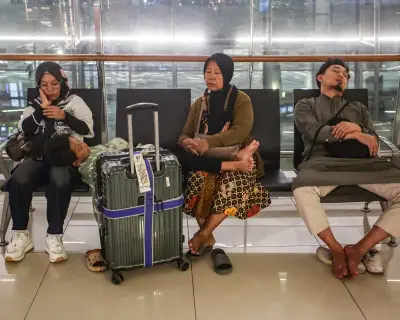
Passengers aboard an Emirates flight from Edinburgh to Dubai experienced what can only be described as a travel nightmare when their aircraft turned around mid-flight and returned to the Scottish capital nine hours after departure. The bizarre incident, which occurred on Sunday evening, left travelers on what should have been a routine seven-hour-and-55-minute journey instead circling back to their starting point without ever reaching their destination.
Dubai Airport Closure Forces Mid-Air Turnaround
The extraordinary situation unfolded when Dubai International Airport (DXB), one of the world's busiest aviation hubs, suspended all operations at approximately 5:34 a.m. local time on Monday morning. The closure resulted from a drone strike that ignited a fire near the terminal building after hitting a fuel tank. While authorities in the United Arab Emirates confirmed the fire was quickly contained and no injuries were reported, the disruption sent shockwaves through global air traffic.
According to flight tracking data from FlightAware, the Emirates Airbus A350-900 departed Edinburgh at 9:26 p.m. local time on Sunday. Approximately four hours into the journey, as the aircraft approached Alexandria in northern Egypt, pilots received notification of the Dubai airport closure and executed a complete turnaround. The flight ultimately traveled 4,872 miles only to return to its origin point.

Widespread Flight Disruptions Across Multiple Airlines
The Dubai airport incident created widespread chaos for airlines operating routes to the Middle Eastern hub. FlightRadar24 data revealed that 65 aircraft were forced to divert to 34 different airports across Europe, Asia, and Africa. For Emirates specifically, six flights departing from various UK airports were en route to Dubai when the closure announcement emerged.
Among the affected Emirates flights, one inbound aircraft from Heathrow diverted to Dubai World Central, the secondary airport serving the city. Meanwhile, two flights from Heathrow, along with individual flights from Gatwick, Manchester, and Edinburgh, all turned around and returned to their departure points. Additional lengthy diversions included Emirates flights originating from Paris and Dublin, creating a cascading effect of travel disruptions.
Geopolitical Tensions Compound Travel Concerns
The incident occurs against a backdrop of heightened geopolitical tensions in the region. Since February 28, when the United States and Israel launched attacks against Iran, Dubai has experienced multiple security incidents. The city's strategic location across the Gulf from Iran, combined with its concentration of American interests, has made it a potential target in regional conflicts.
Recent months have seen missiles and debris from interceptions strike various locations throughout Dubai, including skyscrapers, private apartment complexes, and luxury hotels such as the iconic Burj Al-Arab. These developments have led some observers to question the wisdom of traveling to the region under current circumstances.
Passenger Rights and Compensation Questions
For the unfortunate passengers aboard flight UAE24, the ordeal raises significant questions about compensation and passenger rights. Under standard aviation regulations, travelers are typically entitled to be transported to their destination as soon as possible on any available airline with open seats. However, with sharply reduced flight schedules between the United Kingdom and the Middle East, rebooking thousands of affected passengers presents a substantial logistical challenge.
The UK Foreign Office currently advises against all but essential travel to the United Arab Emirates, extending similar warnings to Bahrain, Kuwait, and Qatar. This official guidance reflects ongoing concerns about regional stability and security, potentially complicating future travel plans to these destinations.

Social Media Reaction and Public Sentiment
On social media platforms including Facebook and Instagram, public reaction to the incident has been largely unsympathetic toward those choosing to travel to Dubai under current conditions. Many commenters have questioned why individuals would pursue either business or leisure travel to the region when, as one user noted, "there is a war going on." This sentiment highlights the growing divide between those who view air travel as an essential service and those who consider certain destinations too risky under present circumstances.
Dubai International Airport has since resumed operations with reduced service levels, but the impact of this incident is expected to reverberate throughout the aviation industry for days to come. The event serves as a stark reminder of how quickly global air travel can be disrupted by security incidents, geopolitical tensions, and infrastructure vulnerabilities.