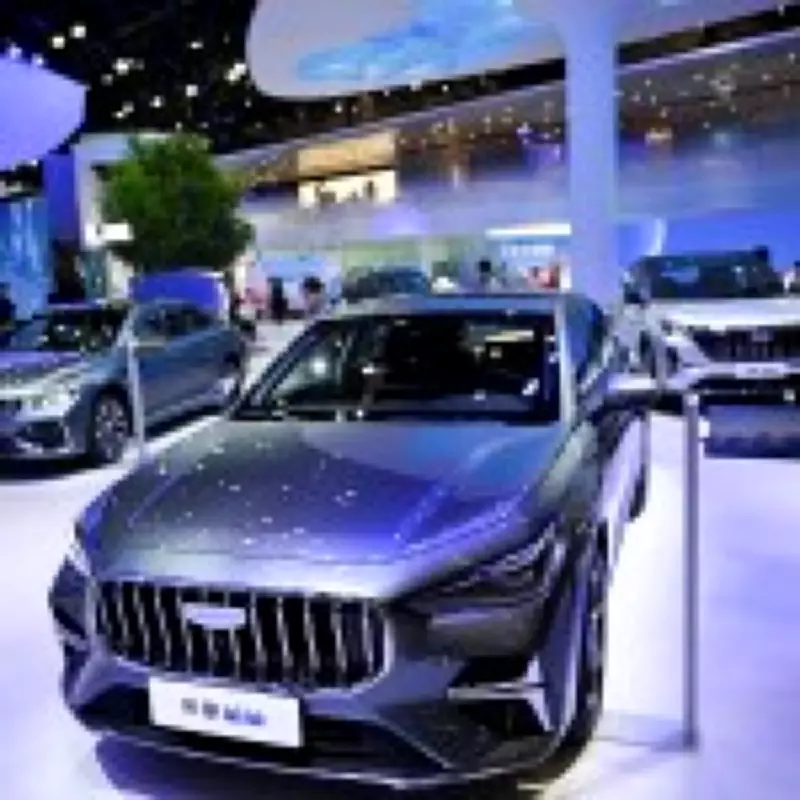
Cheap Chinese cars that are illegal in the US are flooding Texas border cities. The vehicles, manufactured by brands like BYD and Geely, are not officially allowed in the American market due to strict regulations and a 100% tariff imposed under former President Joe Biden in January 2025. However, in cities near the US-Mexico border, such as El Paso, drivers are increasingly crossing into Mexico to purchase these cars and driving them back onto US roads.
How the Workaround Works
While Chinese carmakers are effectively locked out of the US market, Mexico has no such restrictions. Chinese brands can sell their vehicles there legally and without tariffs. This has created a loophole for border residents, who simply drive across the border, buy a Chinese car, and return. The result is that cars like the Geely EX2, which starts at just over $10,000, are becoming a common sight in Texas border towns. Local dealerships report growing curiosity among customers, who are impressed by the low prices and decent quality of these vehicles.
Impact on US Auto Market
The price difference is stark: new cars in America now average more than $50,000. Chinese models undercut that dramatically. Luis Hernandez, a Geely salesman in Mexico, told The Wall Street Journal that customers are impressed by the value. “If they were allowed to be sold in the United States – they would destroy the American car market,” he said. US dealers face awkward conversations when customers ask about the Chinese models they’ve seen nearby, only to learn they cannot be legally purchased in the US.

Security Concerns and Political Debate
Beyond market disruption, there are serious national security concerns. Senator Elissa Slotkin warned that Chinese cars with full motion video, geolocation, and Bluetooth capabilities could be hacked, posing a threat to national and economic security. More than 70 House Democrats have urged the White House to keep restrictions in place. Senator Bernie Moreno plans to introduce legislation to block Chinese vehicles entering via Canada or Mexico, and to force Chinese-owned firms with American links to sell off their interests.
Mixed Signals from Trump
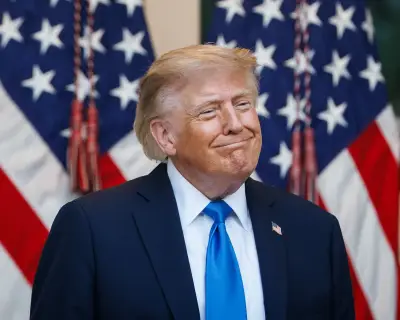
Despite the push for tighter restrictions, President Donald Trump has suggested a softer tone. Earlier this year, he told the Detroit Economic Club that he would not oppose Chinese firms building factories in the US, as long as they hire American workers. “Let China come in, let Japan come in. They’ll be building plants, but using our labour,” he said. This has left the future of Chinese cars in the US uncertain, as the debate between protectionism and free market competition continues.
The situation along the Texas border highlights the complexities of global trade and the challenges of enforcing regulations in a region where geography often trumps policy. For now, the sight of Chinese cars on US roads remains a gray area, but one that is increasingly difficult to ignore.