Campaigners and community groups across the UK are raising the alarm over proposed government reforms to aviation rules, warning they could severely limit the public's ability to influence decisions on new flight paths. The changes, part of a wider overhaul of airspace management, are feared to sideline communities affected by increased aircraft noise and pollution.
What the Proposed Changes Entail
The Department for Transport's consultation, which closed on 20th January 2026, outlines plans to modernise the process for altering flight paths, known as airspace change. The government argues the current system is too slow and hampers the adoption of new technology that could make flights more efficient and less polluting. However, embedded within these proposals are clauses that could drastically curtail public involvement.
Under the existing framework, major airspace changes typically require a multi-stage consultation process, often taking years. The new proposals suggest a more streamlined approach where the Civil Aviation Authority (CAA) could approve certain changes with minimal or no direct public consultation if they are deemed to deliver clear environmental benefits, such as reduced carbon emissions.

Paul Beckford, a policy advisor for the Aviation Environment Federation (AEF), stated the reforms appear designed to "remove the public from the process." He emphasised that while efficiency is important, the potential cost to community engagement and transparency is significant.
Community Concerns and the Noise Impact
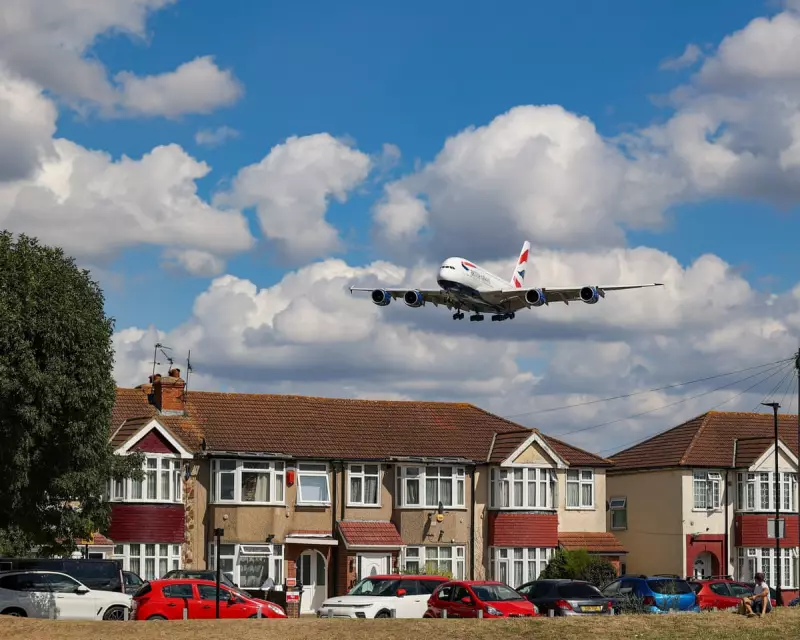
Local groups, particularly those under existing flight paths near major airports like Heathrow, Gatwick, and Manchester, are deeply concerned. They argue that concentrating flight traffic into narrower, more precise corridors—a likely outcome of modernisation—can lead to a "noise ghetto" effect for those directly underneath.
"These proposals risk creating a two-tier system where the aviation industry's desire for efficiency trumps the right of communities to have a meaningful say on issues that profoundly affect their daily lives," said a spokesperson for the HACAN ClearSkies campaign group. The group fears that the definition of an "environmental benefit" will be narrowly focused on CO2 reduction, ignoring the detrimental local impacts of noise and air pollution.
The government's own data suggests that aircraft noise can negatively impact cardiovascular health, sleep quality, and children's learning. Campaigners insist that any reform must balance technological advancement with robust, legally guaranteed protections for overflown communities.
The Path Forward and Calls for Safeguards
The Department for Transport has defended the proposals, stating they aim to "ensure the airspace change process is fit for the future" and can support the sector's transition to net zero. A spokesperson said the consultation sought views on how to "maintain and strengthen community engagement."
However, environmental and community organisations are calling for explicit safeguards to be written into any new legislation. Their key demands include:
- A legal guarantee of public consultation for any change that alters the noise footprint for communities on the ground.
- An independent and transparent noise monitoring system to hold airlines and airports accountable.
- A broader definition of "environmental benefit" that must include noise reduction and local air quality improvements, not just carbon savings.
As the government reviews the consultation feedback, the coming months will be critical. The outcome will determine whether the UK's aviation modernisation prioritises purely operational gains or fosters a more balanced approach that respects the voices of the millions living under the nation's flight paths.