Global Aviation Faces Disruption as Airbus Mandates Emergency Software Updates
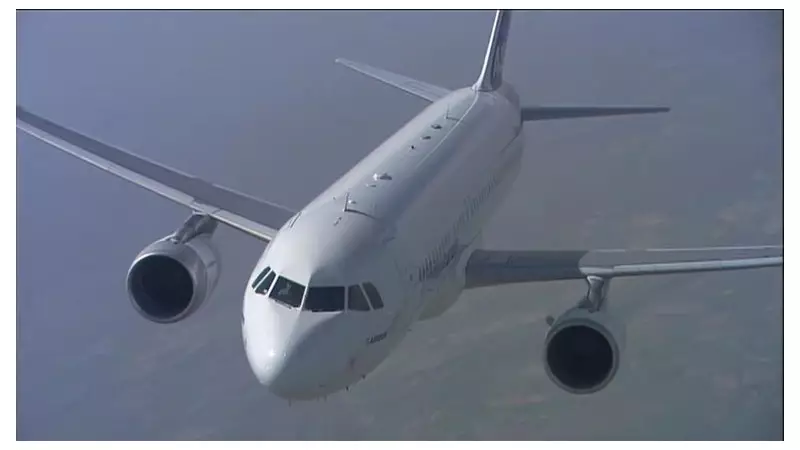
The aviation industry is bracing for widespread travel disruption after aircraft manufacturer Airbus issued an urgent directive for software updates affecting approximately 6,000 of its jets. This figure represents nearly half of the global fleet of Airbus aircraft, signalling one of the most significant coordinated repair efforts in recent aviation history.
The Incident That Triggered the Global Alert
The unexpected repair order was initiated following a serious incident involving a JetBlue flight from Cancun, Mexico, to Newark, New Jersey, on 30 October. The aircraft experienced a control problem accompanied by a sudden, uncommanded drop in altitude—a sharp loss of height that resulted in injuries to 15 passengers and forced an emergency landing in Tampa, Florida.
Subsequent investigation by Airbus identified the potential cause as "intense solar radiation" capable of corrupting data critical to flight control systems. This phenomenon, known as a bit flip, occurs when solar particles strike a computer's memory, altering individual bits of data from a 0 to a 1 or vice-versa. While this risk is well-documented in spacecraft, its occurrence in commercial aviation has prompted immediate action from regulators and manufacturers alike.

Airline Impact and Passenger Disruption
The UK's Civil Aviation Authority has confirmed it expects disruptions to airlines and flights as carriers work to implement the required changes. Major European airlines including easyJet and Wizz Air have already announced they will temporarily take aircraft out of service to perform the necessary updates.
Travel expert Simon Calder described the situation as "very concerning" while emphasising the "very low likelihood" of such events occurring. He told Sky News: "Aviation remains extraordinarily safe. And that is partly because as soon as a possible threat is identified, then action is taken immediately."
The Technical Fix and Implementation Timeline
According to bulletins issued to airlines, the solution involves reverting to earlier software versions, a process that must be completed before affected aircraft can return to service. Airbus has indicated that for most aircraft, the update will require just two to three hours.
However, some jets may need hardware replacements to accommodate the new software, a process that will take considerably longer. The issue has been traced to the ELAC (Elevator and Aileron Computer) flight system, which processes commands from the pilot's control stick to the elevators at the rear of the aircraft that control its pitch and direction.
The Airbus A320 family, first launched in 1984, represents the manufacturer's most successful product line and serves as the main competitor to Boeing's 737 MAX, which itself faced global grounding following fatal crashes in 2018 and 2019.