Major Software Flaw Grounds Airbus Fleet
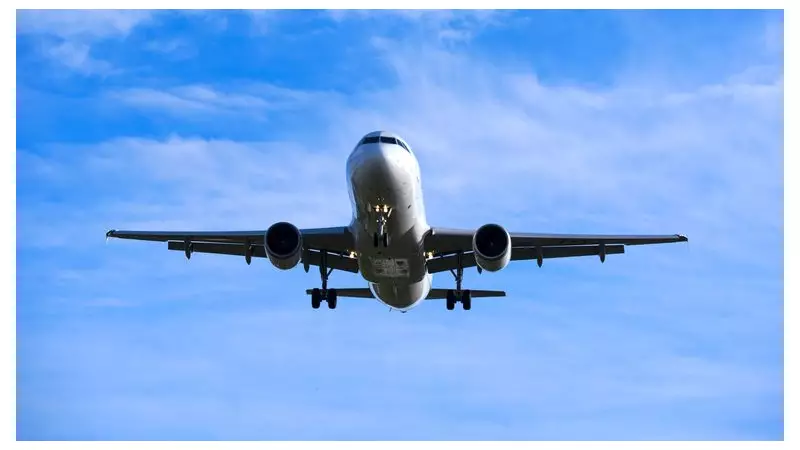
Airline passengers across the United Kingdom are facing potential travel disruption after Airbus identified a critical software issue affecting up to 6,000 A320 family aircraft worldwide. The problem was triggered by concerns that intense solar radiation could corrupt essential flight control data, prompting an urgent safety directive.
Incident That Sparked Global Alert
The software vulnerability came to light following a concerning incident on 30 October involving a JetBlue flight from Cancun to Newark. The aircraft experienced a sharp loss of altitude and was forced to divert to Tampa International Airport, resulting in injuries to several passengers. Subsequent analysis revealed that solar radiation interference with flight systems was the root cause.
Airbus has proactively requested that the European Union Aviation Safety Agency (EASA) issue an airworthiness directive mandating immediate software updates. The company confirmed that both older and newer neo models of the A319, A320 and A321 are affected, though aircraft awaiting delivery remain unaffected.

Global Airlines Scramble for Solutions
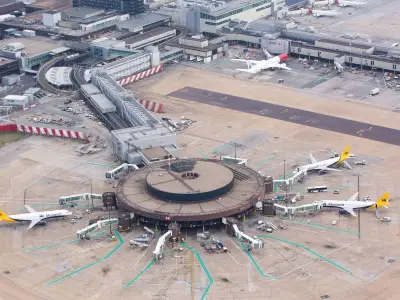
Major carriers including EasyJet, British Airways, Aer Lingus, and Wizz Air are among those impacted, though the severity varies between airlines. Gatwick Airport has warned passengers about potential disruption, advising travellers to contact their airlines directly for the latest information.
While Airbus estimates most aircraft will require just 2-3 hours for software reverting, some planes need new hardware installations, extending their grounding period. British Airways reported only three affected aircraft in its fleet, with overnight fixes planned to minimise operational impact.
Compensation Concerns for Travellers
Travel expert Simon Calder described the situation as "very concerning" but expressed confidence in aviation safety protocols. He cautioned that passengers affected by delays might not be entitled to cash compensation, as the software issue falls outside airline control under current regulations.
Transport Secretary Heidi Alexander acknowledged the potential for limited disruption to UK airlines while praising the swift identification and response to the safety concern. She stated this demonstrates "the high aviation safety standards globally" that protect passengers.
Several airlines have already begun implementing the required changes, with EasyJet confirming they have "commenced and already completed the software update on many aircraft." The global aviation industry continues working to return affected planes to service while maintaining safety as the highest priority.