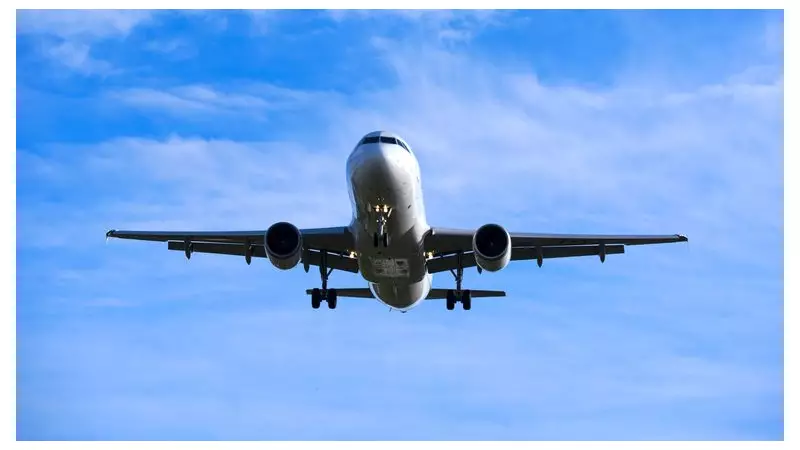
Aviation authorities have issued urgent warnings to airlines worldwide after a critical software vulnerability was discovered in thousands of Airbus A320 aircraft, potentially affecting travel plans for British passengers.
The emergency directive comes after analysis of a JetBlue flight from Cancun to Newark on 30th October revealed that intense solar radiation could corrupt essential flight control data, creating serious safety concerns.
The Incident That Triggered Global Action
On 30th October, a JetBlue Airbus A320 operating between Cancun, Mexico and Newark International Airport experienced a sudden and severe flight control issue that forced pilots to make an emergency diversion.

The aircraft suffered a sharp, unexpected loss of altitude that injured at least 15 passengers before it could safely land at Tampa International Airport. This alarming incident prompted immediate investigation by Airbus engineers and aviation safety authorities.
Subsequent analysis traced the problem to the aircraft's ELAC system - the Elevator and Aileron Computer that sends critical commands to control surfaces governing the plane's pitch and nose angle.
Global Response and Repair Timeline
Airbus has confirmed that approximately 6,000 aircraft worldwide require immediate software updates to address the vulnerability. The European Union Aviation Safety Agency and America's Federal Aviation Administration have both issued emergency orders mandating the changes.
An Airbus spokesperson explained that most aircraft will need to revert to an earlier software version, a process taking just two to three hours per plane. However, the situation is more complex for about 1,000 aircraft that will also require hardware modifications, leading to longer grounding times.
Transport Secretary Heidi Alexander sought to reassure British travellers, stating: "The good news is it seems the impact on UK airlines seems limited, with a smaller number of aircraft requiring more complex software and hardware changes."
Impact on UK Airports and Airlines
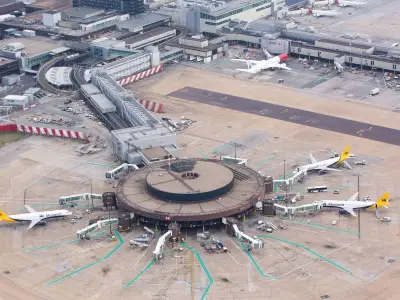
London Gatwick Airport confirmed that a "small number" of based carriers are affected, though disruption remains possible. Heathrow Airport expressed confidence that it wouldn't experience significant problems.
EasyJet, one of the largest operators of A320 aircraft in the UK, reported that it has already completed software updates on many of its aircraft and plans to operate normally. The airline advised passengers to monitor their flight status via the company's flight tracker.
British Airways revealed that only three of its aircraft require attention and doesn't anticipate operational issues. Wizz Air acknowledged that some weekend flights might be affected despite having scheduled the necessary updates in advance.
Travel expert Simon Calder described the situation as "very concerning" but emphasised that aviation remains extraordinarily safe. He also noted that passengers experiencing delays due to the software issue might not be entitled to compensation, as the problem would likely be considered outside airlines' control.
The timing is particularly challenging for American carriers, with the issue emerging during the busy Thanksgiving travel weekend. American Airlines, the world's largest A320 operator with 209 affected aircraft, aims to complete most repairs within a single day.
Internationally, Japan's All Nippon Airways has cancelled 65 domestic flights, while Air France will ground 35 flights to accommodate the necessary maintenance work.