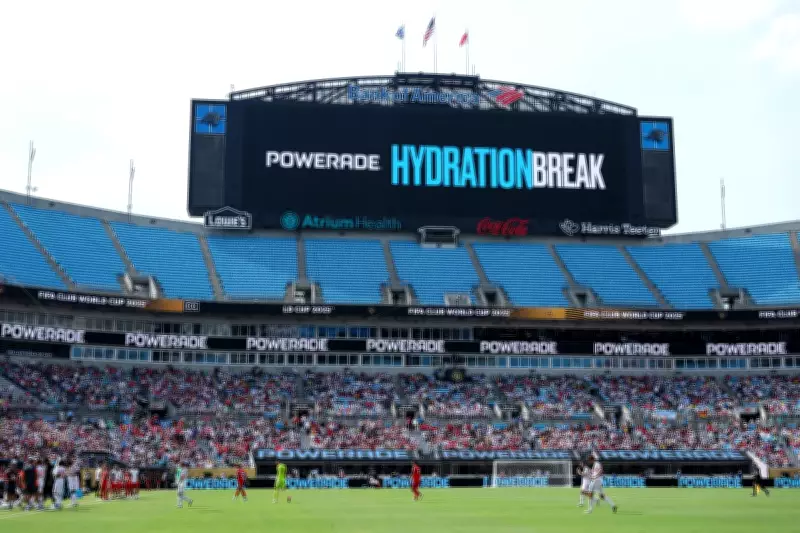
World Cup Hydration Breaks to Revolutionize Sports Advertising Landscape
The 2026 World Cup, scheduled for North America, is poised to introduce a significant change not just on the field but in the commercial realm of sports broadcasting. With hydration breaks planned to protect players from extreme summer heat, these pauses are emerging as a pivotal monetization opportunity for broadcasters, potentially reshaping how ads are delivered during live events.
Shifting Away from Traditional Ad Breaks
Live sport has historically been a bastion for interruption-based advertising, relying on half-time breaks and time-outs for commercial spots. However, as audiences increasingly consume content through streaming services and smart TVs, tolerance for full commercial interruptions that pull them away from the action is waning. This shift is prompting broadcasters to innovate with formats that maintain viewer immersion.
For instance, ITV is reportedly considering advertising during hydration breaks using split-screen or picture-in-picture techniques. This approach allows the live match feed to continue while displaying brand messages alongside, ensuring viewers stay engaged without missing key moments. Early trials, such as those seen during the Six Nations rugby tournament before scrums, have provided valuable feedback on deploying in-screen advertising effectively.

Embracing New Advertising Formats
Beyond picture-in-picture, the industry is exploring contextual and in-play advertising methods. These include dynamic overlays, sponsorships tied to specific game events, and branded data graphics that enhance the viewing experience rather than disrupt it. Research indicates that dynamic online ads featuring live sports results can boost attention by up to 91 percent among fans, highlighting the potential for integrated formats.
For advertisers, this evolution presents both a challenge and an opportunity. Brands must move beyond traditional 30-second spots to create messages that feel additive, such as contextual ads aligned with exciting match moments. Formats that integrate seamlessly into broadcasts, like real-time insights or subtle visual placements, can forge stronger connections with audiences during peak engagement.
The Role of Technology and Future Implications
Connected TV technology is accelerating this transformation, enabling broadcasters on streaming platforms to experiment with targeted ads and measure audience attention more precisely. The hydration breaks at the 2026 World Cup, while a minor operational adjustment, symbolize a broader trend toward innovative advertising that balances revenue generation with viewer satisfaction.
Much like the introduction of VAR in 2018, these new ad slots could fundamentally alter the sports broadcasting landscape. Advertisers who adapt early stand to gain a competitive edge, turning these breaks into lucrative opportunities. As the industry evolves, the focus will remain on creating advertising that complements the live sports experience, ensuring fans stay tuned in without feeling interrupted.