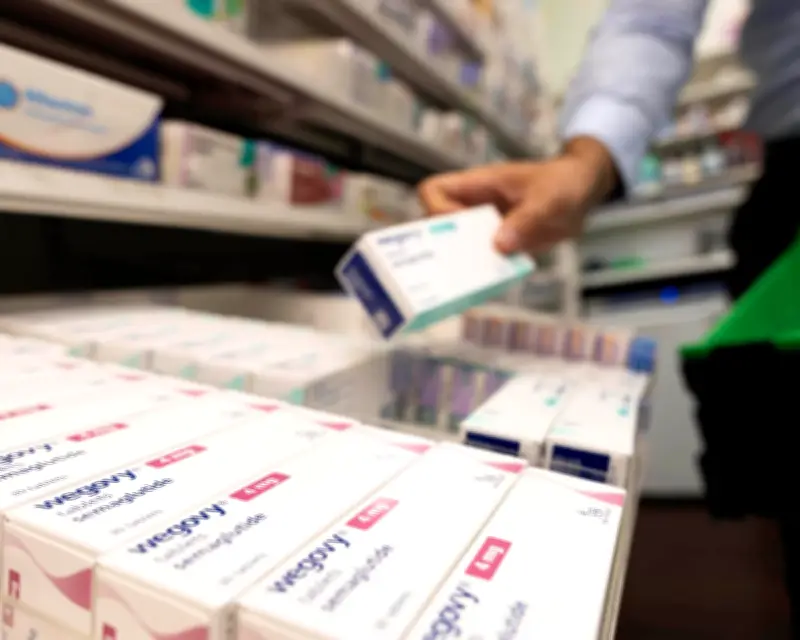
Weight-loss drugs such as Novo Nordisk's Wegovy and Eli Lilly's Mounjaro are not only transforming eating habits but also reshaping spending patterns, particularly on clothing. As users shed pounds, they are buying more clothes, often in smaller sizes, and embracing bolder styles, according to new research from PwC, Mintel, and Circana.
Changing consumer behaviour
Hayley Grice, 50, from Shropshire, dropped seven sizes after starting Mounjaro two years ago. Now a UK size 12, she shops in standard stores instead of plus-size retailers. “I would have shied away from colour, I would have shied away from anything that drew attention to me,” she says. “And now I don’t care, if I like it I’ll wear it.”
In the US, 21% of adults have tried GLP-1 drugs, while in the UK, 5% (nearly 3 million people) are currently on them, with 9% having taken one at some point, says PwC. The consultancy expects this to rise to 13% by the end of next year, about 7 million people. “A single class of medication is already influencing how millions of people in Britain eat, drink, exercise and shop,” PwC notes. “GLP-1s are doing far more than reducing appetite. They are creating a new consumer.”
Demographics and spending shifts
About 60% of GLP-1 users are women; 6% come from lower-income households while 20% are from the wealthiest. One in 10 women aged 35-54 use the drugs, with usage peaking at 13% among 25-44 year olds, according to Mintel's Tamara Sender Ceron. Users eat less, switch to healthier foods, cut alcohol intake, and buy more clothes, skincare, hair products, sports gear, and health-monitoring gadgets.
Pill form boosts uptake
The arrival of GLP-1s in pill form, such as the once-a-day Wegovy tablet now available in the UK on private prescription, is expected to further increase uptake. Prices range from £69 for a 1.5mg starting dose to £269 for 25mg. Dr Craig Primack from Hims & Hers says, “This is a whole new set of people that … weren’t using any weight loss drugs, and now they’re comfortable with that.”
Impact on clothing retailers
Berenberg analysts estimate a 1% boost to the UK clothing market from GLP-1s in each of the next three years. Mid-market retailers like M&S, Next, and Zara are likely to benefit most. At M&S, 65% of womenswear jeans sales now come from sizes 6-12, up from 40% historically. Conversely, plus-size retailers have suffered. London-based BeigePlus, selling sizes 16-28, saw a 20% sales drop over two years. CEO Hennie Fearnley calls the impact “catastrophic.”
Personal stories
Melody Ewert from Minnesota, US, has been on GLP-1 drugs for nearly a year. She took the Wegovy pill for three weeks but switched back to Zepbound jabs due to side effects. She shops mostly at thrift stores and sales racks. “Bras and underwear are something I’ve had to buy most often because I can wear a shirt a bit big but wearing undergarments big doesn’t work,” she says. She now wears more colours and layers.
Stephen Fitzgerald, former commercial director at M&S, notes that an average weight loss of 5kg with a 4-5cm waist reduction equates to one full size change. With predictions that 10-15% of the UK population could be on these drugs by 2030, the effect on apparel retailers should be significant.
Newfound confidence
PwC's Jacqueline Windsor says people want fit flexibility and a “transition wardrobe,” becoming “body proud” and opting for tailored clothes. “If you’ve been overweight or been struggling with your weight and you lose two to three sizes, it is a new you, a new identity,” she says. “For retailers, it’s serving a customer who feels maybe for the first time really good about themselves.”