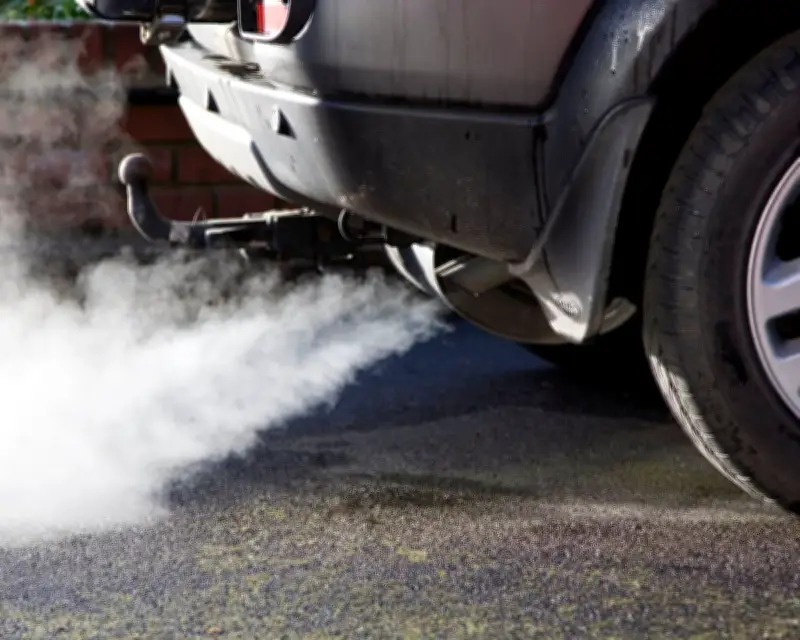
The high court has rejected the majority of allegations in a landmark 'dieselgate' group action brought on behalf of 1.6 million UK car owners, ruling that most emissions-control strategies used by manufacturers did not amount to prohibited defeat devices.
Ruling details
In her judgment, Lady Justice Cockerill stated that 'in the majority of instances, the court found that the relevant strategy did not constitute a prohibited defeat device'—software that allows an engine to behave differently during emissions tests. However, she found that technology and strategies in some Mercedes and Peugeot-Citroën vehicles could constitute defeat devices.
The judge emphasized that 'not every calibration or emissions-control strategy amounts to a defeat device' and that proving an intention to rig a test was necessary. She added: 'It was not enough for the claimants simply to establish that the challenged strategies reduced the effectiveness of emissions-control systems outside the relevant testing conditions.'
Case background
The case, the largest group action trial in English legal history, was heard over 15 weeks between October 2025 and March 2026. It focused on 20 vehicles sold by five manufacturers—Mercedes, Ford, Renault, Nissan, and Peugeot-Citroën—from 2009, but the judgment also binds other manufacturers.
Claimants argued that manufacturers engineered vehicles with technology that reduced nitrogen oxide (NOx) emissions in tests compared to normal driving. Manufacturers denied using prohibited defeat devices.
Manufacturer responses
Mercedes-Benz welcomed the ruling, saying the court ruled 'very largely in favour' of the manufacturer, but it is considering an appeal over the vehicle deemed non-compliant. Stellantis, owner of Peugeot-Citroën, also said it is considering an appeal. Nissan stated it always maintained its technologies did not constitute defeat devices. Renault said its cars were 'designed, engineered, and manufactured in accordance with all applicable regulatory requirements.' Ford was contacted for comment.
Claimants' reaction
Lawyers for the claimants said they are considering an appeal. Leigh Day senior partner Martyn Day said: 'The high court has found that despite their denials, other manufacturers also used VW-style defeat devices. The judge has also found that many other defeat devices are lawful because she surprisingly disagreed with the established EU case law on what a defeat device is.'
Pogust Goodhead’s Anna Varga said the judgment 'does not bring this litigation to an end. The court has found that certain manufacturers installed unlawful defeat devices, but it also adopted a significantly narrower interpretation of the law than that applied elsewhere in Europe.'
Impact and context
This first UK legal verdict comes more than a decade after Volkswagen's dieselgate scandal was uncovered. Campaign group Mums for Lungs called it a 'setback,' but director Jemima Hartshorn said: 'Whatever the courts have found, it does not change the scientific consensus – that these diesel cars are toxic. It’s important that the two car companies found guilty today act swiftly to remove their vehicles and compensate for their actions.'