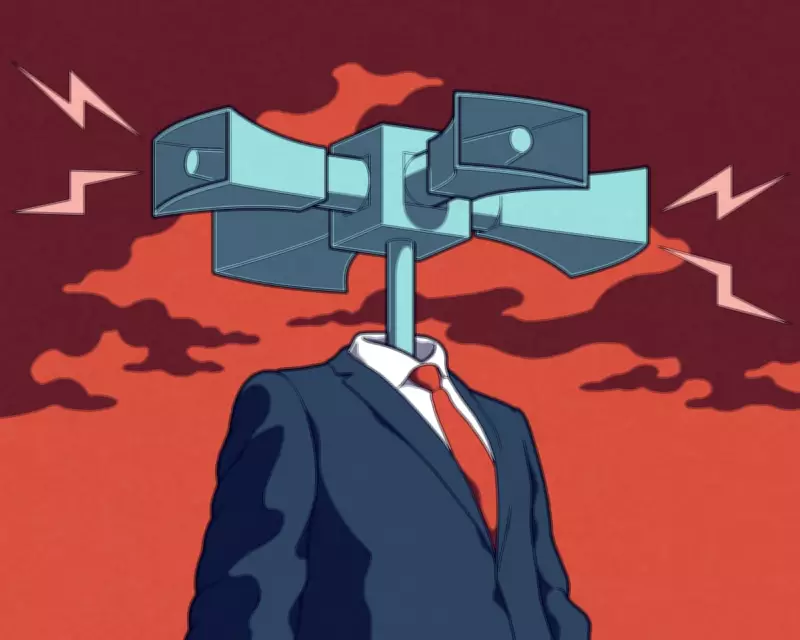
Two starkly contrasting developments in the United States media landscape provide a revealing glimpse into a profound transformation currently underway. These events highlight a disturbing convergence of capital and authoritarian tendencies that is reshaping what American audiences consume.
The Bezos Paradox: Funding Propaganda While Defunding Journalism
In one corner, former First Lady Melania Trump has released a glossy documentary titled Melania, detailing her anticipated return to the White House. Amazon, founded by Jeff Bezos, aggressively outbid competitors to secure the rights, committing a staggering $75 million (£54 million) to the project. Early ticket sales figures strongly suggest this was not merely a commercial investment but a strategic move.
Simultaneously, the Washington Post, also owned by Jeff Bezos, is preparing to implement severe cuts. Up to 200 positions are expected to be eliminated early this month, with the foreign desk and a significant portion of the core newsroom bearing the brunt. The juxtaposition is telling: Bezos is simultaneously investing heavily in state-adjacent propaganda while divesting from the traditional fourth estate, the very institution designed to hold power accountable.

The CBS News Takeover and the Rise of Opinion
This pattern extends beyond Bezos. Paramount, the parent company of CBS News, was acquired last July by tech billionaire Larry Ellison and his son David, a Hollywood producer. Ellison is a known ally of Donald Trump. The new leadership promptly installed Bari Weiss, a former New York Times columnist and founder of the Free Press blog, to helm CBS News.
Weiss's tenure has been contentious, clashing with veterans of esteemed programmes like 60 Minutes over editorial decisions perceived as favourable to the Trump administration. Further newsroom cuts are anticipated under her direction. More revealing than the cuts, however, is the new editorial emphasis. Weiss has announced a focus on adding opinion writers and pursuing "scoops of ideas" and "scoops of explanation." This signals a distinct shift from investigative reporting toward commentary and heated debate.
The Strategic Pivot from News to Narrative
This fetishisation of opinion writing is a dangerous trend. A healthy media ecosystem requires viewpoints to complement robust domestic and global news coverage, not replace it. News should not be cannibalised for partisan commentary. This pivot is symptomatic of a right-wing influenced media that increasingly seeks not to report on the world as it is, but to construct a world as certain power blocs wish it to be.
Under this model, Trump-era talking points—such as framing incidents involving so-called "domestic terrorists"—are treated as mere matters of opinion to be aired, rather than statements to be fact-checked and contextualised. Reality itself becomes malleable and contested. Eyewitness accounts and documented events are drowned out by a rolling commentary of conjecture and falsehoods, granted an aura of truth simply by appearing on formerly credible platforms.
The Wider Fascistic Playbook
This media shift is part of a broader political strategy where narrative performance about friends and foes supersedes policy. It deliberately agitates public emotion and provokes fear, with media channels then amplifying these feelings. This process, which leaves actual power structures unchallenged, echoes what philosopher Walter Benjamin termed the "aestheticisation of politics" under fascism.
Decisions in this tech-mogul-dominated era follow this logic. Why invest in expensive foreign correspondence when the wider world is portrayed as a realm of enemies? Why fund long-form investigations into power abuses or nuanced features about lives abroad? The result is a degradation of human communication and empathy. Knowledge of and affinity with others are excised under authoritarianism, as is unfettered artistic expression—evident in Trump's influence over institutions like the former Kennedy Center and the Smithsonian.

The Grinding Machine of Autocracy
Autocracy systematically eliminates dissent. Billionaires, now wielding unprecedented influence in a democracy, control the media machinery. Those who operate it are often misfits, useful idiots, or attention-seekers. This erosion will be marketed as pragmatism—giving audiences what they want in an era of strained media finances and shortened attention spans. They will argue that traditional reporting is too resource-intensive for both institutions and viewers.
While the financial struggles of journalism and the attention-eroding effects of technology are real problems, the proposed "solutions" are telling. They consistently trend toward amplifying right-wing voices, prioritising expression over factual reporting, and diminishing our collective capacity to bear witness to a shared global human experience.
It is no coincidence that the tech moguls driving these changes are closely linked to the Trump administration—a government that has notoriously waged war on journalism through "fake news" rhetoric and even the arrest of reporters. Figures like the Ellisons and Bezos are not disinterested stewards concerned solely with journalistic viability. Their actions reveal a coordinated transformation of the US media landscape, aligning it more closely with authoritarian impulses than with democratic ideals.