In the competitive world of 1990s advertising, a little-known British soft drink brand decided to take on beverage giant Coca-Cola with one of the most unconventional and memorable campaigns in television history. The Tango slap advertisements would go on to define an era of British advertising, creating both commercial success and unexpected real-world consequences.
The Creative Spark Behind the Madness
Art director Trevor Robinson and his creative partner Al Young found themselves at Howell Henry ad agency after enduring eighteen months of unemployment. Facing pressure to prove themselves quickly, they received a straightforward brief from Tango: get people talking and make Coca-Cola fear the British underdog. The campaign needed to dramatise the 'hit of real fruit' that characterised the drink's flavour.
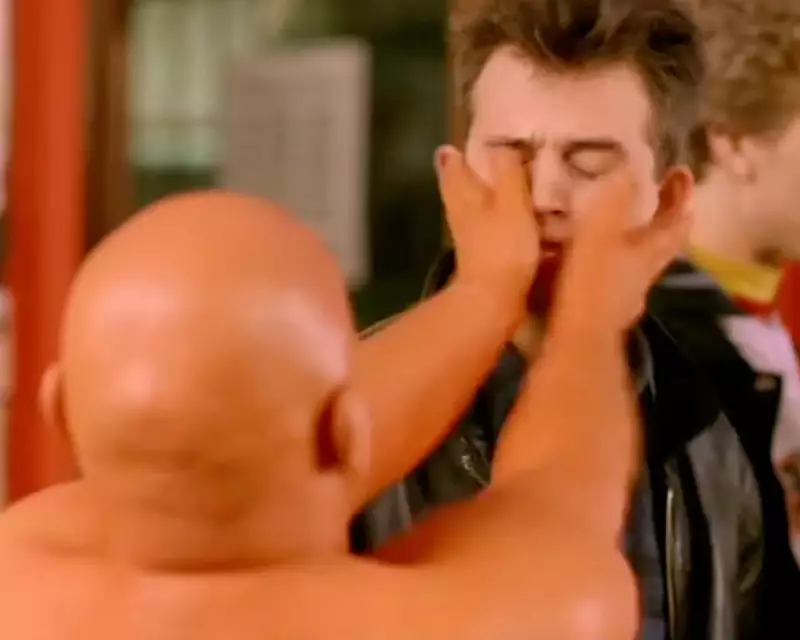
The concept evolved into physical comedy, deliberately subverting traditional advertising formulas where pleasant outcomes followed product consumption. Instead, they embraced farcical misfortune, drawing inspiration from Charlie Chaplin's physical humour and the classic slapstick of Morecambe and Wise. Initial plans for a boot up the backside were deemed too aggressive, leading to the now-famous face slap that would become the campaign's signature.

During testing with a camcorder, the team discovered ordinary slaps appeared underwhelming on camera. They developed an exaggerated technique involving a dramatic pause with arms outstretched before the decisive 'whack'. The iconic orange character emerged when Al Young suggested adding colour to make him a visual manifestation of the drink itself, transforming him into a shirtless orange genie.
Casting the Unforgettable Tango Man
The search for the right actor led them to Peter Geeves, a serious theatre performer whose distinctive running style - with stomach thrust forward and head back - secured him the role. Geeves later revealed the part typecast him severely, lamenting that casting directors could only see him as 'this fat orange bloke' after the ad's phenomenal success.
In a surprising coup, legendary musician Gil Scott-Heron provided the closing voiceover. Robinson recalled being terrified to ask his hero to deliver the line 'You know when you've been Tango'd' for their absurd commercial. To his relief, Scott-Heron found the concept hilarious, repeatedly giggling and remarking 'You English guys are crazy!' during the recording session.
Voice actor Hugh Dennis, then working on Spitting Image, was brought in to create an excitable Geordie commentator alongside former footballer Ray Wilkins' more laid-back delivery. Dennis developed his character as a cross between darts commentator Sid Waddell and rugby league's Eddie Waring, noting that the producers had actually tried hiring Waddell himself but found he wasn't 'Sid Waddell-ish enough' for their needs.
Unexpected Impact and Lasting Legacy
The team knew they had created something special when Robinson overheard tube passengers mimicking the ad shortly after its launch. The campaign quickly achieved its goal of generating conversation, though not always positively. An industry figure dismissed it as 'oik advertising', a criticism the working-class creators wore as a badge of honour.
The commercial success was undeniable, with Tango experiencing a 35% sales increase and rebranding to distinctive black cans inspired by the advertisements. However, the team hadn't anticipated the wave of copycat slappings in school playgrounds across the country. Doctors reported treating children with perforated eardrums from being 'Tango'd', leaving the creators 'gutted' though their employers remained philosophical about the unintended consequences.
The campaign ran for four years throughout the 1990s before being revived in the 2000s, with Dennis noting that recording sessions left him voiceless for hours afterward. The advertisements entered British cultural consciousness so thoroughly that the slogan persists decades later, even appearing in headlines about Donald Trump's orange tan.

Despite the physical strain of recording and concerns about their social impact, both creators look back fondly on their involvement. Dennis reflects that such a campaign wouldn't be possible today, but cherishes being part of what became a cult classic that continues to resonate with British audiences decades after the orange man first delivered his iconic slap.