The Guardian newspaper has released its regular round-up of corrections and clarifications, addressing a series of errors published across its print and digital platforms. The updates, dated for December 22, 2025, cover a range of topics from political reporting to financial details, underscoring the publication's commitment to editorial transparency.
Details of the Published Corrections
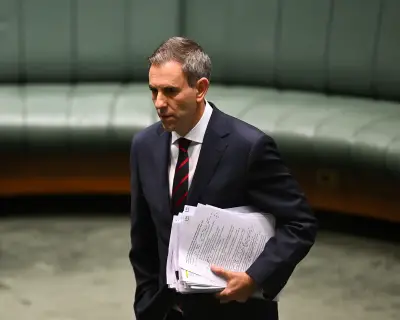
Among the notable amendments is a correction concerning a political figure's statement. The newspaper initially mischaracterised a comment made by a senior MP regarding economic policy. The clarification now provides the exact wording used in the parliamentary session, ensuring the record is accurate.
Another significant correction involves a financial report. An article on corporate earnings contained an incorrect percentage figure related to year-on-year growth. The updated clarification states the accurate statistic, which was several points lower than originally reported. This type of error highlights the importance of fact-checking complex numerical data.

A further clarification was issued about the location of a reported event. A feature piece mistakenly placed a community initiative in the wrong London borough. The editorial note now identifies the correct local authority area, which is crucial for readers interested in local developments.
The Process and Importance of Editorial Accountability
The publication of a dedicated Corrections and clarifications column is a standard practice among major news organisations. It serves as a public record of errors and a mechanism for maintaining trust with the audience. By promptly acknowledging and correcting mistakes, newspapers aim to uphold journalistic integrity.
This process involves readers, reporters, and dedicated editorial standards staff. When an inaccuracy is identified, whether by an internal review or a reader's email, it is investigated. If an error is confirmed, the published article is updated online with a correction notice, and the mistake is logged for inclusion in the print corrections column.
The Guardian's corrections page states its policy clearly: to correct significant errors as soon as possible. This transparency is considered a cornerstone of ethical journalism, differentiating professional reporting from less regulated sources of information.
Implications for Public Trust and Media Literacy
Regular corrections, while demonstrating accountability, also remind the public that even established institutions are not infallible. They encourage a more critical engagement with all media. For consumers of news, these columns reinforce the need to consult multiple sources, especially on complex or contentious issues.
The practice also has a internal function, aiming to reduce the frequency of errors by highlighting common pitfalls. Common issues leading to corrections include:
- Misinterpretation of statistical data or financial reports.
- Geographical or locational errors.
- Inaccurate titles, names, or historical context.
- Misattributed quotes or statements.
In an era of widespread misinformation, the visible and systematic correction of errors by major publishers is more vital than ever. It models responsible behaviour and provides the public with a more accurate historical record. The Guardian's latest update, though routine, is a small but essential part of maintaining the health of the public discourse.