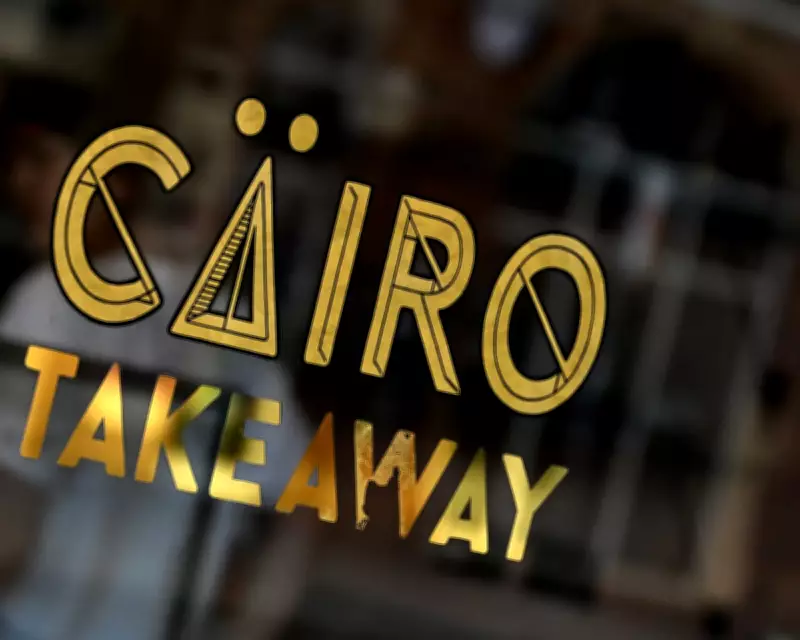
Daily Telegraph Issues Formal Apology Following Undercover Activist Scandal in Cairo
The Daily Telegraph has publicly apologized after it was revealed that an undercover pro-Israel activist was present at a Middle Eastern restaurant in Cairo, a situation that has ignited significant debate over journalistic integrity and ethical standards in media coverage of geopolitical conflicts. This incident, which came to light through investigative reporting, has raised serious questions about the newspaper's transparency and the potential for bias in its reporting on sensitive international issues.
Details of the Undercover Operation and Its Exposure
According to sources, the activist, who was operating covertly, was discovered at a popular Cairo dining establishment known for its Middle Eastern cuisine. The individual's presence was part of a broader effort to gather information or influence narratives related to the Israeli-Palestinian conflict, though the exact motives and methods remain under scrutiny. The exposure of this operation has led to widespread criticism from media watchdogs and the public, who argue that such actions undermine trust in journalism and compromise the objectivity expected from reputable news organizations.
Implications for Media Ethics and Conflict Reporting
This scandal highlights the ongoing challenges faced by media outlets in maintaining ethical standards while covering complex and divisive topics like the Middle East conflict. The Daily Telegraph's apology acknowledges the breach of trust and emphasizes the newspaper's commitment to upholding journalistic principles, including accuracy, fairness, and transparency. However, critics contend that this incident reflects a deeper issue within the industry, where undercover tactics and activist involvement can blur the lines between reporting and advocacy, potentially skewing public perception.

Reactions from the Industry and Public
In response to the apology, media analysts have called for stricter guidelines and oversight to prevent similar occurrences in the future. The public reaction has been mixed, with some expressing disappointment in the Telegraph's actions, while others view the apology as a step toward accountability. This event serves as a cautionary tale for news organizations worldwide, underscoring the importance of ethical conduct in an era where media credibility is constantly under scrutiny.
Key Takeaways:
- The Daily Telegraph has apologized for the presence of an undercover pro-Israel activist at a Cairo restaurant.
- This incident has sparked debate over journalistic ethics and media transparency in conflict reporting.
- Critics argue that such actions can bias news coverage and erode public trust.
- The newspaper's response includes a commitment to ethical standards, but calls for industry-wide reforms persist.
As the media landscape evolves, this case reinforces the need for news outlets to prioritize integrity and avoid practices that could compromise their credibility. The Daily Telegraph's handling of this situation will likely influence future discussions on media ethics and the role of activism in journalism.