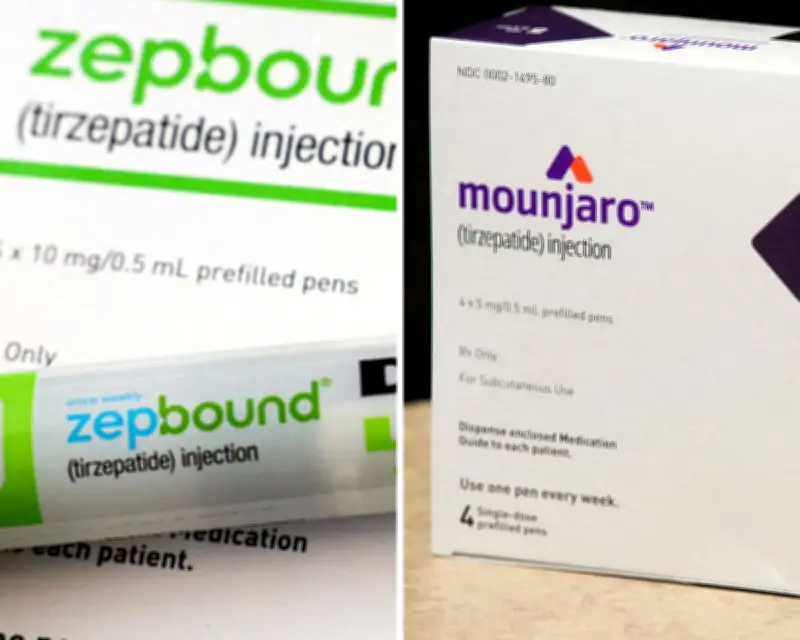
Novo Nordisk, the Danish pharmaceutical company behind the weight-loss drug Ozempic, announced on Tuesday that it is suing its US rival Eli Lilly over what it calls “false and materially misleading” advertisements for Eli Lilly’s competing weight-loss and anti-diabetes treatments, Zepbound and Mounjaro.
Allegations of outdated and selective data
Novo Nordisk claims that Eli Lilly “intentionally selected outdated studies” that compared the highest doses of Lilly’s drugs against lower doses of Novo Nordisk’s medicines. The Danish company argues that these ads “deceptively present those results as proof of broad, product-level superiority while burying or omitting critical clinical context.”
The core of the dispute lies in the active molecules: Novo Nordisk’s semaglutide versus Eli Lilly’s tirzepatide. Both are GLP-1 receptor agonists, mimicking a hormone that regulates appetite and blood sugar, and have become blockbuster treatments for obesity and type 2 diabetes.

Campaign targeted in lawsuit
Novo Nordisk specifically objects to an advertising campaign that aired “during recent, widely viewed global sporting broadcasts and on TikTok and Facebook, causing widespread confusion,” according to the company. John F. Kuckelman, Novo Nordisk’s general counsel, stated: “As new and more effective treatment options become available, people deserve accurate information that reflects the latest scientific evidence and helps them make informed care decisions. Healthcare companies have a responsibility to keep their public claims accurate and current – ineffective, fine-print disclaimers do not fix the misleading impression created by major national campaigns.”
Eli Lilly defends its ads
Eli Lilly responded to the lawsuit with a statement defending its advertising. The company said that the trial underpinning its campaign, known as Surmount-5, is “the only direct, head-to-head randomised clinical trial comparing tirzepatide and semaglutide in the context of weight management.” An Eli Lilly spokesperson added: “Rather than competing on the merits of its products, Novo is asking a court to prevent Lilly from communicating the results of this trial. We firmly stand by our advertising campaign.”
Impact on the pharmaceutical industry
The lawsuit highlights the intense competition in the lucrative weight-loss drug market. Both Novo Nordisk and Eli Lilly have seen enormous financial gains from their GLP-1 drugs, which are used for weight loss and type 2 diabetes management. The outcome of this legal battle could influence how pharmaceutical companies market their products and compare them to competitors in direct-to-consumer advertising.