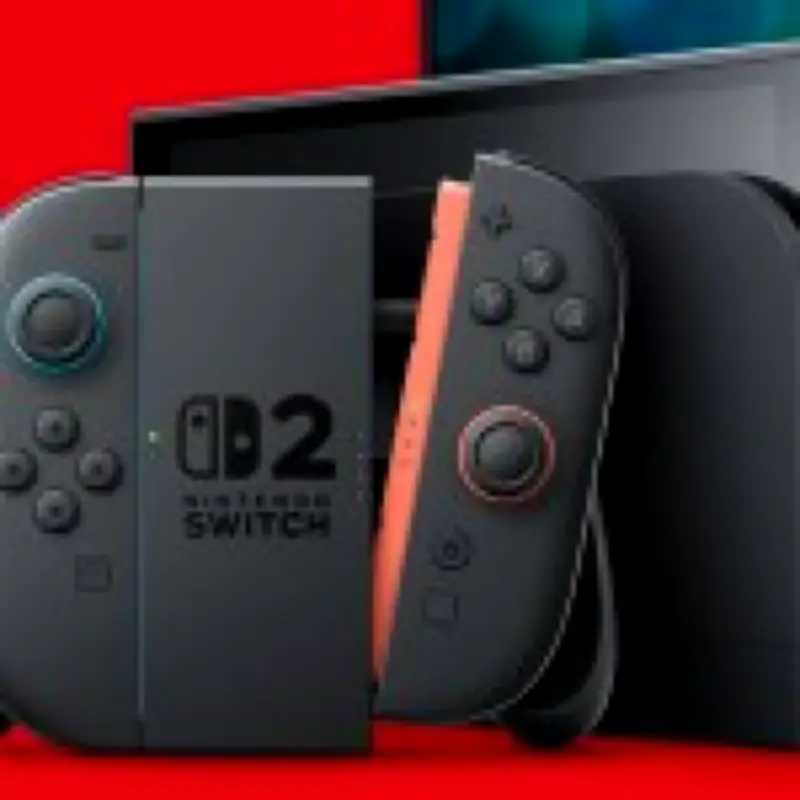
Nintendo's Switch 2 strategy has drawn criticism for its software lineup, but a reader argues it makes more sense than competitors like Xbox and PlayStation. The approach focuses on extending reach after the Switch's record-breaking sales, avoiding the need for a knockout launch like Breath of the Wild or Odyssey.
Launch Title Logic
Mario Kart World, a sequel to the Switch's best-selling game, was the obvious launch title, even if it didn't excite hardcore fans. With over 100 million Switch owners as potential upgraders, the system itself became a selling point. Switch 2 editions of existing games, such as Breath of the Wild and Tears of the Kingdom in 4K, have added hundreds of hours of gameplay. Balatro with mouse controls also drew players in.
Third-Party Ports as a Key Pillar
The focus on third-party ports has made the Switch 2 a credible main console. Titles like Star Wars Outlaws and Cyberpunk 2077 running on a Nintendo device were previously unthinkable. The console hits the cost/development/graphics sweet spot of the PlayStation 4, now portable. The reader plans to clear their PS5 backlog and then sell it.
Reviving Neglected Franchises
New first-party titles have explored the back catalogue, reviving series like Star Fox (first in 10 years), Tomodachi Life (13 years), Kirby Air Riders (22 years), and a 3D Donkey Kong (26 years). Cross-pollination drew fans from other bestsellers: Bananza for Odyssey fans, Air Riders for Mario Kart fans, and Pokémon Pokopia for Animal Crossing fans.
Timing and Future Plans
Releasing these second- and third-tier series in the shadow of 3D Zelda or Mario would have dimmed their spotlight. As initial upgraders wane, new 3D Mario and Zelda titles are expected in years two and three. Sequels or DLC for rebooted franchises could follow. The first year aimed for depth, breadth, and reach, with nearly 20 million units and 50 million games sold.
The reader concludes that Nintendo's approach is perfectly logical compared to fans demanding 'Mario now!' and the strategies of Xbox and PlayStation.