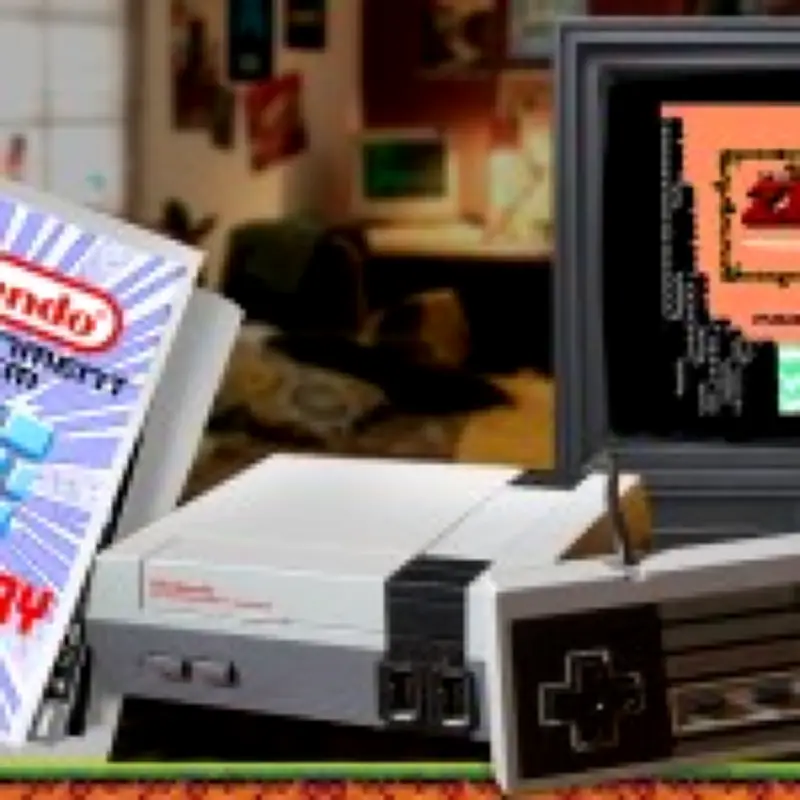
On July 15, 2026, the Nintendo Entertainment System (NES) celebrates its 45th anniversary. While the console is revered in Japan and North America for reviving the video game industry after the 1983 crash, its impact in the UK was far more limited. Many British gamers who grew up in the 1980s have little to no nostalgia for the NES, often never having played one.
Why the NES struggled in the UK
The NES launched in Japan in 1983 as the Famicom, but did not reach the UK until 1987—four years later. By that time, the console was already five years old, a full lifespan for most consoles of the era. The UK had not been affected by the North American video game crash, so there was no need for a saviour console. Instead, the dominant gaming platforms were the ZX Spectrum and Commodore 64 home computers, which offered cheaper games and easy piracy.
NES games cost upwards of £50 (approximately £150 adjusted for inflation), while home computer games were typically £15 or less. The Sega Master System, launching the same year at £99, was also more affordable. As a result, the NES remained a niche product in the UK.
How Nintendo eventually gained a foothold
It was not until the Wii and Nintendo DS era that Nintendo achieved mainstream success in the UK. The earlier perception that Nintendo was for young children, while Sega's Mega Drive was for older gamers, lingered for years. The lack of early nostalgia meant that even the SNES struggled against the Mega Drive in British households.
Iconic NES franchises and their legacy
Despite its commercial shortcomings in the UK, the NES birthed many legendary franchises. Super Mario Bros. defined the 2D platformer and remains playable today. The Legend of Zelda pioneered action-adventure games, though the original is now dated. Metroid and Castlevania together created the Metroidvania genre, which thrives in indie games like Hollow Knight. Metal Gear introduced stealth mechanics, while Mega Man became a Capcom staple. Final Fantasy and Dragon Quest started on the NES, but their early entries were not released in Europe until much later.
According to the article, Final Fantasy 14 director Naoki Yoshida noted that longer development cycles make it harder for younger players to connect with franchises. Only Mario and Zelda have consistently grown their audiences, while others rely on nostalgia.
The NES remains a cornerstone of gaming history, but its cultural footprint in the UK is shallow—a result of timing, pricing, and competition.