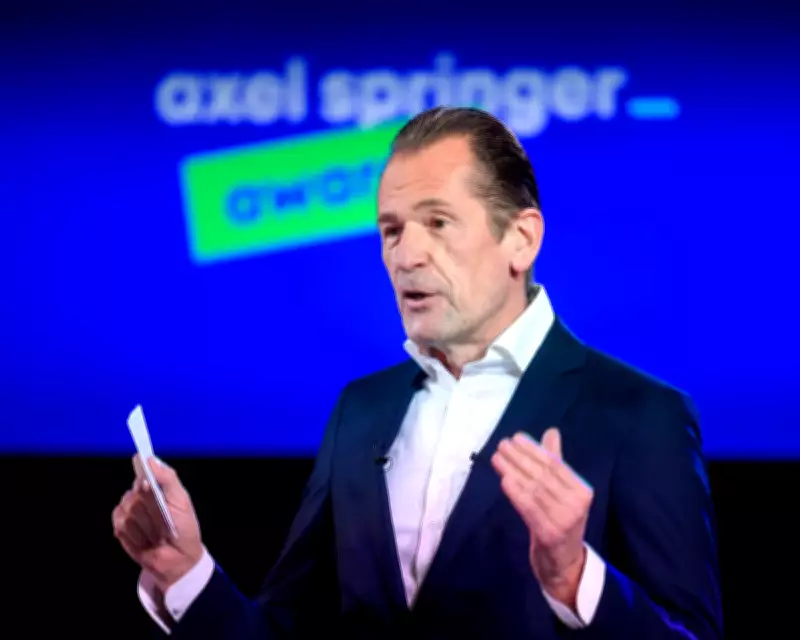
Mathias Dopfner's Telegraph Acquisition: A New Era for British Media
In a landmark move that has sent shockwaves through the British media landscape, Mathias Dopfner, the influential CEO of German publishing giant Axel Springer, has successfully acquired The Telegraph. This acquisition, finalized in early 2026, marks a significant shift in the ownership of one of the UK's most venerable newspapers, raising profound questions about the future of press freedom and the role of foreign investors in shaping national discourse.
Background and Implications of the Deal
The purchase, valued at an estimated £600 million, positions Dopfner as a central figure in the UK's media ecosystem. Axel Springer, under his leadership, has expanded aggressively into digital markets, with holdings in prominent outlets like Politico and Insider. This acquisition of The Telegraph, a newspaper with deep historical roots and a conservative editorial stance, suggests a strategic push to consolidate influence in English-language journalism, potentially altering the paper's traditional voice and priorities.
Critics have voiced concerns that Dopfner's ownership could lead to increased editorial interference, particularly given his close ties to political figures and his advocacy for a more integrated European media framework. Supporters, however, argue that the infusion of capital and digital expertise from Axel Springer might revitalize The Telegraph, helping it navigate the challenges of declining print revenues and intense online competition.

Reactions from the Media and Political Spheres
The reaction to this acquisition has been polarized. Many in the UK's journalistic community fear that foreign ownership, especially by a figure with Dopfner's political leanings, could undermine the independence of The Telegraph, a paper long regarded as a bastion of British conservatism. There are worries that editorial decisions might increasingly reflect Axel Springer's corporate interests or Dopfner's personal views, rather than serving the UK readership.
Conversely, some industry analysts highlight the potential benefits. They point to Axel Springer's success in transforming media properties into profitable digital enterprises, suggesting that The Telegraph could gain from enhanced technological resources and innovative content strategies. This could lead to improved reader engagement and financial stability in an era where traditional newspapers struggle to adapt.
Broader Context and Future Outlook
This acquisition occurs against a backdrop of ongoing debates about media ownership and diversity in the UK. With other major outlets also facing ownership changes or financial pressures, Dopfner's move into The Telegraph signals a trend toward consolidation under international conglomerates. Observers note that this could reshape the competitive dynamics of British media, potentially reducing the plurality of voices and increasing the influence of a few powerful owners.
Looking ahead, the key questions revolve around how Dopfner will manage The Telegraph's editorial direction and whether he will maintain its distinct identity. Will he leverage Axel Springer's resources to foster investigative journalism and high-quality reporting, or will commercial pressures lead to a dilution of its journalistic standards? The answers will likely unfold over the coming years, as Dopfner's strategies become clearer and the paper's content evolves under new leadership.
In summary, Mathias Dopfner's acquisition of The Telegraph represents more than just a business transaction; it is a pivotal moment that could redefine the contours of British media. As stakeholders watch closely, the outcomes will have lasting implications for press freedom, media diversity, and the role of foreign investment in shaping public discourse in the UK.