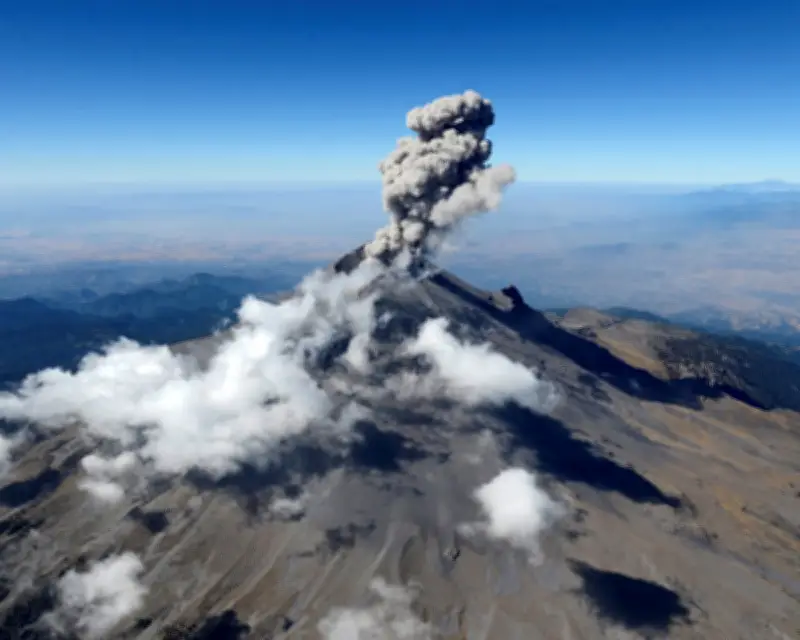
A low-cost sensor system developed by a UK company is providing affordable early warnings of volcanic eruptions. VolcanoTech, a spin-out from the University of Sheffield, has created a device that detects sulphur dioxide gas, a key indicator of rising magma. The technology is already in use in Ecuador, Chile, Mexico, and Indonesia, with planned installations in Costa Rica and Argentina.
How the sensors work
Just as a fizzy drink releases carbon dioxide when opened, rising magma emits dissolved sulphur dioxide as it ascends. A significant increase in this gas signals that an eruption may be imminent. Traditional sensors are expensive, limiting their use in vulnerable communities. VolcanoTech's Pi-cam uses a modified smartphone camera that sees in ultraviolet wavelengths, paired with a Raspberry Pi processor. It measures the fluorescence of sulphur dioxide: the more UV light, the higher the gas concentration. A network of these sensors costs a fraction of comparable systems.
Global deployment and impact
VolcanoTech systems are already installed in several countries prone to volcanic activity. According to the company, the low-cost technology enables broader coverage, providing crucial data for local authorities. The sensors can be deployed rapidly and maintained easily, making them ideal for remote or resource-limited regions.
Broader applications for air quality
Beyond volcanoes, the sensors can transform air quality monitoring. Large networks of affordable sensors could provide a comprehensive picture of pollution, helping meteorologists and vulcanologists understand changes in air quality and eruption risks. Future weather forecasts may integrate this data, offering real-time warnings for both volcanic hazards and air pollution.