Spain's battle against overtourism has intensified, with residents in Barcelona using water guns to deter rowdy tourists and protests in Madrid over rising rents linked to mass tourism and short-term holiday lets. Restrictions on public drinking, partying, and platforms like Airbnb have been introduced. In 2025, Mallorca residents urged tourists not to visit, citing the worst summer in the island's history. However, several regions remain relatively untouched.
Mérida: Roman Ruins in Extremadura
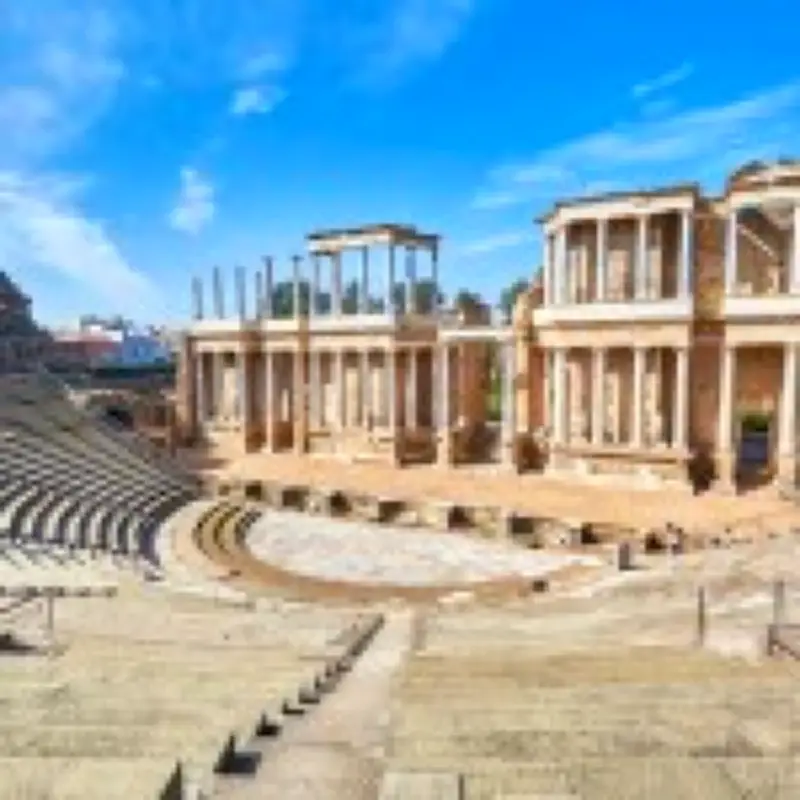
Nestled in the lesser-visited region of Extremadura, Mérida offers rich history rather than beaches. Founded by the Romans in the 1st century BC, it is one of Spain's most important archaeological sites. As the capital of Roman Spain, it features impressive ruins including the Roman Amphitheatre and the Temple of Diana. The Roman Bridge, one of the longest built by the Romans, spans the Guadiana River. Extremadura also offers up to £12,600 per year to digital nomads who make it their base.
La Gomera: Canary Island Alternative
The Canary Islands welcomed a record 18.4 million tourists in 2025 and were placed on Fodor's 2026 'no travel' list due to overtourism and environmental damage. La Gomera, a short trip from Tenerife, sees far fewer visitors. Of the 3.83 million British tourists who visited the Canaries in 2025, only around 70,000 went to La Gomera. The island boasts sweeping coastlines, black sand beaches, and spectacular viewpoints.
Logroño: Wine and Tapas in La Rioja
Located in La Rioja region, Logroño is a hidden gem for food and wine lovers. Its tapas scene allows visitors to sample pintxos and local delicacies. The city is the gateway to Spain's iconic wine region, where vineyards and world-class wines await. Historic landmarks include the Co-Cathedral of Santa Maria de la Redonda with twin baroque towers.
Cuenca: Hanging Houses and Medieval Streets
Two hours from Madrid, Cuenca is known for its hanging houses (Casas Colgadas) built into a rockface above the Huécar River gorge. This UNESCO World Heritage site attracts mostly day-trippers from Madrid. Visitors can explore the houses, some converted into museums, and walk the San Pablo Bridge for views. Hiking trails and the Serrania de Cuenca Natural Park are nearby.
Cudillero: Fishing Village in Asturias
On the Cantabrian Sea coast, Cudillero in Asturias features buildings that appear to hang from the rocks overlooking the harbour. Surrounded by rolling hills and horseshoe cliffs, the village is renowned for its hiking trails.
Estepona: Costa del Sol's Hidden Gem
Despite being on the Costa del Sol, Estepona remains quiet. In 2023, 12 million international tourists visited Andalusia, but only 253,376 (2%) stopped in Estepona, according to Metro's Sophie-May Williams. Whitewashed houses adorned with bougainvillea line the streets. The Plaza de las Flores offers cafes and tapas bars. Beaches like Playa de la Rada and hiking trails to Sierra Bermeja mountains provide activities.
Ronda: Cliffside City
Metro's Travel Editor Alice Murphy recommends Ronda, a historic cliffside city 90 minutes from Malaga. Towering 1,063 metres above sea level, it inspired Ernest Hemingway and holds Orson Welles' ashes. With Arabic and Moorish architecture, it lacks beaches but offers culture and cuisine. Alice suggests visiting in shoulder season and staying in nearby mountain villages like Montejaque.