Heineken's Zero-Alcohol Tube Campaign: A Bold Move That Raised Questions
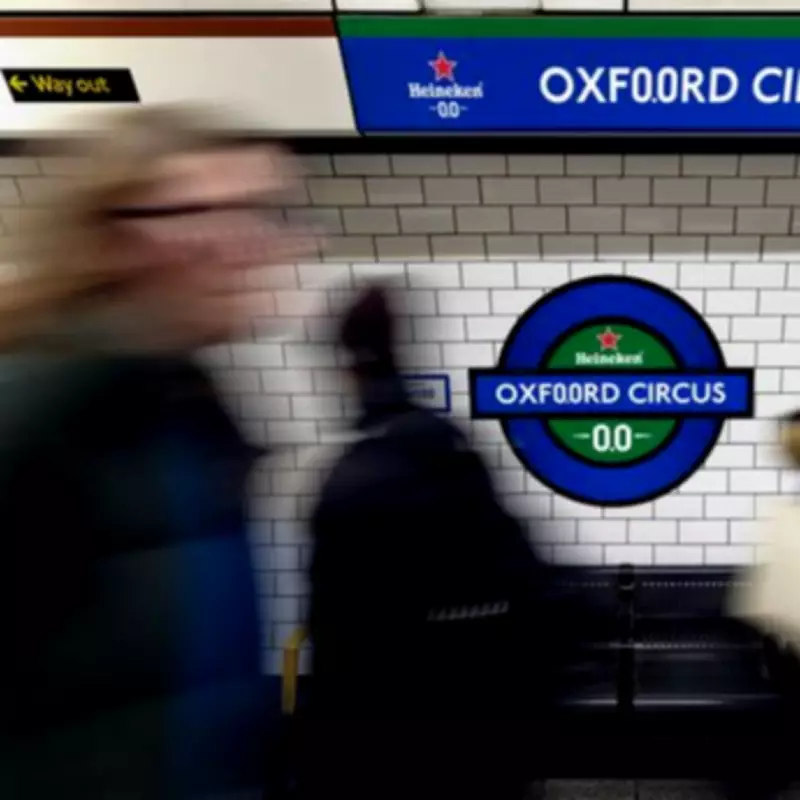
Brewing giant Heineken's advertising campaign for its zero-alcohol beer on the London Underground certainly captured public attention. By temporarily altering station signs and renaming stops to playful variants like Oxf0.0rd Circus and Waterl0.0, the 0.0 brand inserted itself into one of the UK's most iconic public transport systems. This stunt reflects a broader trend in marketing, where brands seek offline "activations" that can't be easily ignored in today's crowded digital landscape.
The Campaign's Intent and Execution
Designed to coincide with Dry January, Heineken's campaign aimed to transform the Tube from a space of silent commuting into a hub for social connection. The London Underground is famously governed by unwritten rules: stand on the right, avoid eye contact, and never strike up conversations with strangers. Heineken 0.0 attempted to challenge this by encouraging commuters to rediscover real-world socialising, albeit without alcohol.
As part of the promotion, the company handed out free alcohol-free beer at Waterloo station over several days in January. This move was based on Heineken's own data, which showed that 63% of passengers were "very unlikely" to ever engage in small talk with strangers. With younger generations drinking less alcohol than their predecessors, zero-alcohol products are increasingly prominent, and campaigns like this demonstrate how they can be marketed to remain culturally relevant.

Key Criticisms and Shortcomings
Despite its playful intent, the Heineken 0.0 campaign revealed several notable flaws that sparked debate among commuters and advocacy groups.
Accessibility Concerns
The temporary rebranding drew sharp criticism from disability advocates. Campaign group Transport for All warned that altering station names and navigation signage could create confusion for passengers, particularly those with visual impairments, learning disabilities, neurodivergence, or fatigue. While Transport for London (TfL) noted that changes were limited to certain platform signs and assessed to minimise disruption, critics argued that even subtle modifications could turn routine journeys into stressful or unsafe experiences for vulnerable commuters.
Station Mix-Up and Errors
An unfortunate printing error led to some signs displaying stations out of sequence during the campaign. Although intended as a light-hearted stunt, this mistake risked confusing passengers who rely on accurate station information. TfL confirmed it was a printing error and corrected the signage, apologising for any confusion caused.
Implicit Assumptions About Alcohol
While promoting alcohol-free socialising, the campaign may have inadvertently reinforced the idea that beer—or alcohol more broadly—is a prerequisite for connection. By pairing Tube interaction with the act of drinking, even zero-alcohol beer, the campaign leans on cultural tropes linking social environments with alcohol. For commuters already wary of public interaction, this could undermine the message of inclusive, alcohol-free connection.
Contextual Mismatch
Heineken described the campaign as "playful" and aimed at encouraging socialising, but it felt somewhat out of step with commuting realities. Alcohol has been banned on TfL services since 2008, and most passengers are focused on their phones, schedules, or morning coffee—not thinking about beer, even alcohol-free versions. A promotion tied to everyday routines, like coffee or snacks, might have felt more natural in this environment.
Lessons for Future Campaigns
Campaigns of this type could be more effective in settings designed for social connection, such as pop-ups at music festivals or airport lounges. These venues could offer zero-alcohol tastings alongside prompts like trivia games or mini-challenges, making interaction effortless and enjoyable. By embedding responsibility, relevance, and context into both strategy and execution, zero-alcohol campaigns can spark conversation while making alcohol-free socialising feel aspirational.

Heineken's London Underground stunt undoubtedly grabbed attention, but the criticisms highlight areas for improvement. Accessibility must be central to ensure campaigns don't exclude or complicate everyday travel, and precision is crucial to avoid brand-damaging mistakes. As zero-alcohol products gain traction, marketers must balance creativity with consideration for all commuters.