At gigs across the UK, a sartorial shift is underway. Where once audiences were clad in black cotton T-shirts, now a wave of heavy polyester football shirts has emerged. Last month at Outbreak, the UK's largest hardcore punk festival, a sizeable minority of attendees wore football shirts, but not in support of any particular team. Instead, the shirts featured names of bands at the festival—Fiddlehead, Alexisonfire, Love is Noise—or the festival itself.
From Punk to Pop: A Widespread Trend
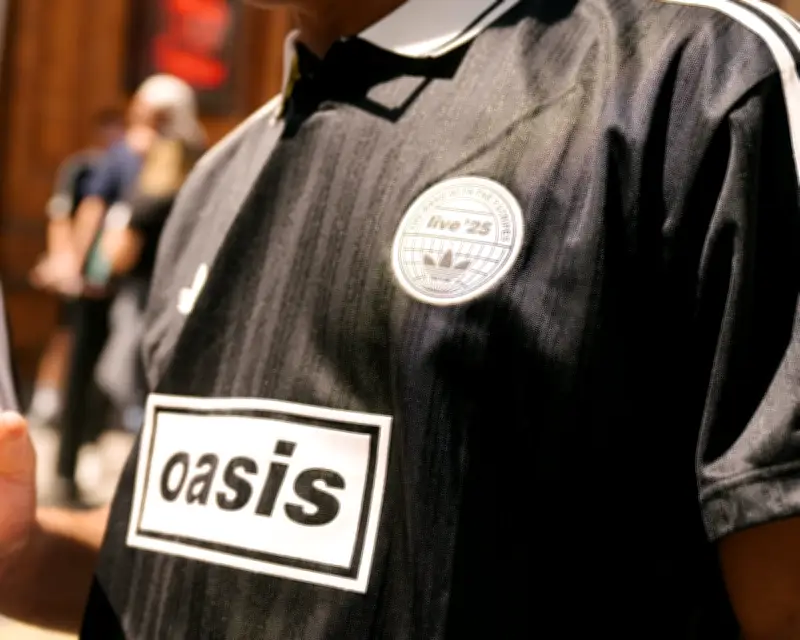
This phenomenon is not restricted to the hardcore scene. On the London tube after Outbreak, a group of Harry Styles fans returning from his Wembley show sported bright pink football kits with the One Direction star's name in place of a shirt number. Practically every musical subgenre now has a football shirt: Dua Lipa, Deftones, Gorillaz, and even OutKast, despite being inactive for over a decade, have one in collaboration with football magazine Mundial. Future Islands have two, including a Napoli-inspired design. Oasis naturally have one. Beyond band merch, groups like Kneecap and Bring Me the Horizon have their logos on actual football kits, a trend that dates back to the 90s when Wet Wet Wet sponsored Clydebank and Super Furry Animals adorned Cardiff City's Welsh cup kit.
Fashion Roots and Slow Build
Lauren Cochrane, a Guardian fashion writer who runs the newsletter Styles of Play, explains that music's embrace of football shirts is part of a wider trend: the rise of the football shirt as a fashion item. She notes its presence on catwalks, through vintage kits and brand collaborations. The trend began emerging around 2012 when skate brand Palace collaborated with Umbro on vintage reworked England kits. “It was a really slow build and then it went mad in the past three or four years,” says Cochrane, pointing to labels like Martine Rose and Acne. She highlights the ubiquity of replica football kits at post-Covid Glastonbury festivals as evidence of their wider acceptability, especially among music fans. “The people who make merch will have seen that and gone ‘let’s put this together’.”
Outbreak Festival's Success
An organiser of Outbreak festival, a Chesterfield fan who incorporated a homage to the League Two club's 90s kits into this year's shirt design, reveals that the festival had wanted to produce a football shirt for years but feared a lack of appetite. “Before we did it, it always felt like a clash of the cultures and not something our crowd would be bothered about—it was kind of like: ‘Who even likes football?’” he says. “It turns out everybody likes football!” When the festival released a limited edition shirt at the 2024 edition, it sold out instantly. They have since expanded, selling both “home” and “away” shirts. Among Outbreak's always popular merchandise, the football shirts “always go first before anything else,” the organiser notes.
Economic Boost for Bands
For smaller bands and artists, who increasingly rely on merch sales to make a living, this appetite for football kits offers a vital new revenue source. “They are quite accessible to make,” the Outbreak organiser says. “Any merch company has probably seen the boom of it and now has a ‘blank’”—a template that bands, labels, or festivals can customise. At the top end, they can be marketed as luxury limited editions. Cochrane notes the higher price of Oasis's football shirt, which costs about £85, compared to the rest of their merch for last year's tour.
Fad or Future?
How much of this is a fad? Cochrane draws a parallel with the baseball shirt, with its coloured sleeves, once ubiquitous band merch but now out of fashion, suggesting a similar shelf life for football shirts. The Outbreak organiser says the festival will continue making them as long as demand exists, noting that the World Cup is only growing football's appeal. However, he warns that these shirts are not made of lightweight, breathable modern materials. “People in our Discord [chat forum] were like: ‘Bloody hell, these are really heavy,’” he says. “They’re not sweat-proof!” Something to bear in mind for the moshpit.